Saudi Central Bank Unveils Comprehensive Holiday Calendar Through 2029
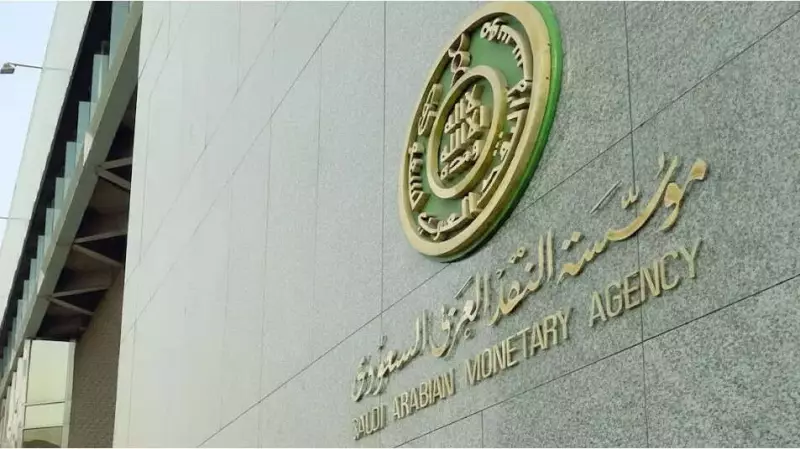
In a landmark decision aimed at enhancing market transparency and operational efficiency, the Saudi Central Bank (SAMA) has officially released a detailed holiday schedule for all financial institutions across the Kingdom, spanning the years 2026 through 2029. This strategic initiative represents a significant step forward in aligning Saudi Arabia's financial sector with international standards, providing businesses, investors, and residents with unprecedented clarity for long-term planning.
Four-Year Roadmap Eliminates Lunar Calendar Uncertainty
The newly announced calendar serves as more than just a list of dates—it functions as a comprehensive strategic framework designed to eliminate the guesswork traditionally associated with lunar-based holiday determinations. By establishing fixed windows for key observances years in advance, SAMA is addressing a critical pain point for the private sector, particularly regarding payroll processing, human resources management, and financial transaction scheduling.
The most significant aspect of this announcement focuses on the two major Islamic holidays: Eid Al Fitr, marking the end of Ramadan, and Eid Al Adha, occurring during the Hajj season. While these celebrations have historically been confirmed through moon sightings, SAMA has now provided official closure periods for banks, enabling synchronized planning across industries.

Detailed Holiday Schedule for 2026-2029
The comprehensive calendar includes both religious and national holidays:
- 2026: Founding Day (February 22, Sunday), Eid Al Fitr (March 17-23), Eid Al Adha (May 24-28), National Day (September 23, Wednesday)
- 2027: Founding Day (February 22, Monday), Eid Al Fitr (March 7-11), Eid Al Adha (May 16-20), National Day (September 23, Thursday)
- 2028: Founding Day (February 22, Tuesday), Eid Al Fitr (February 27-March 2), Eid Al Adha (May 3-9), National Day (September 23, Saturday, observed Sunday, September 24)
- 2029: Founding Day (February 22, Thursday), Eid Al Fitr (February 12-18), Eid Al Adha (April 22-26), National Day (September 23, Sunday)
Operational Protocols and Weekend Adjustments
Beyond establishing the holiday dates, SAMA has reinforced that Saudi National Day (September 23) and Founding Day (February 22) will remain fixed annual public holidays. The central bank has also clarified the "Weekend Rule" for operational adjustments: when a national holiday coincides with a Friday, the bank holiday will shift to Thursday; if it falls on a Saturday, the day off moves to Sunday.
Furthermore, SAMA has introduced specialized "High-Demand" protocols to ensure continuous service during critical periods. During the Hajj season, branches located at airports, seaports, border crossings, and designated centers in Makkah and Madinah must maintain 24/7 operations, including weekends, to accommodate pilgrims' needs.
Enhanced Service During Ramadan and Hajj Seasons
The central bank has outlined specific operational hours for different financial services during key religious periods:
Ramadan Operating Hours:
- Customer-serving banks: 10:00 AM to 4:00 PM
- Remittance and payment centers: Flexible six-hour shifts between 9:30 AM and 5:30 PM
- RTGS and clearing houses: 10:00 AM to 4:00 PM, with schedule adjustments as required
Hajj Season Provisions:
To support the increased demand during Hajj, SAMA mandates that seasonal bank branches in Makkah, Madinah, and transportation hubs remain open throughout the pilgrimage period, including Fridays and Saturdays. Additionally, select branches in high-demand urban areas will continue operations during holidays, with advance public notification of their service hours.

Economic Impact and Investor Confidence
The primary benefit of this comprehensive holiday schedule is the elimination of bureaucratic friction within the financial system. For both expatriates and citizens, this means an end to last-minute rushes to complete banking transactions before unexpected closures. From a broader economic perspective, this move signals Saudi Arabia's commitment to maturing its financial infrastructure, making the Kingdom more attractive to foreign investors who prioritize predictability and transparent operational frameworks.
By providing this multi-year roadmap, SAMA is not only facilitating smoother financial operations but also positioning Saudi Arabia as a regional leader in financial sector modernization, with clear implications for economic stability and growth.