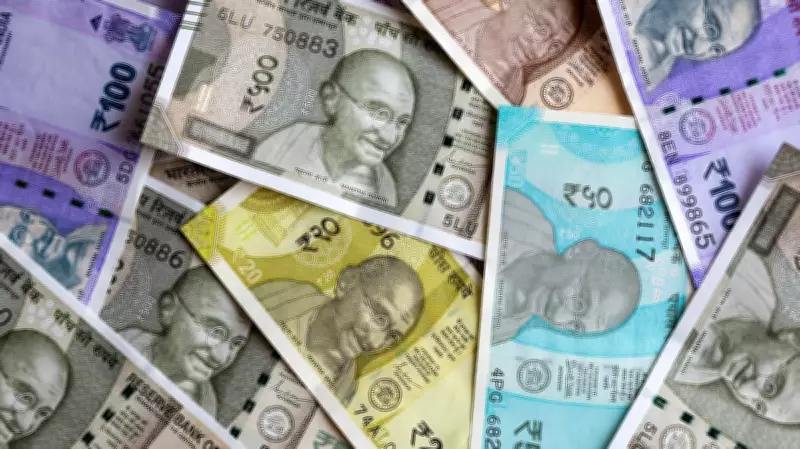
Indian Rupee Tumbles to All-Time Low Against US Dollar
The Indian rupee experienced a significant decline in early trading on Thursday, hitting a historic low of 92 against the US dollar. This marks the weakest level the currency has ever reached, reflecting heightened volatility in the foreign exchange markets.
Key Factors Behind the Rupee's Depreciation
Forex market analysts and traders have identified several critical factors contributing to this sharp fall. The primary driver appears to be the resurgence of the US dollar index, which rebounded from its recent 4-1/2-year lows. This recovery in the dollar's strength has exerted substantial downward pressure on emerging market currencies, including the Indian rupee.
The Federal Reserve's latest policy announcement has played a pivotal role in this scenario. At the conclusion of its first monetary policy meeting of 2026, the US central bank decided to keep interest rates unchanged. This decision, while anticipated by some market participants, has reinforced the dollar's appeal among global investors seeking stability and higher returns.

Implications for India's Economy and Markets
The rupee's depreciation to 92 per dollar carries significant implications for various sectors of the Indian economy:
- Import Costs: A weaker rupee makes imports more expensive, potentially leading to higher prices for goods such as crude oil, electronics, and machinery.
- Export Competitiveness: On the positive side, Indian exports may become more attractive in international markets due to favorable exchange rates.
- Foreign Investment: Currency volatility could impact foreign institutional investment flows into Indian equities and debt markets.
- Inflationary Pressures: Rising import costs might contribute to inflationary trends, posing challenges for monetary policymakers.
Market observers are closely monitoring the Reserve Bank of India's potential interventions to stabilize the currency. Historically, the central bank has stepped in during periods of excessive volatility to prevent disorderly market movements.
Broader Context and Future Outlook
This development occurs against a backdrop of global economic uncertainties and shifting monetary policies. The rupee's performance will likely depend on multiple factors in the coming weeks:
- Further announcements from the Federal Reserve regarding its interest rate trajectory.
- Domestic economic indicators from India, including GDP growth, inflation data, and fiscal policies.
- Global risk sentiment and geopolitical developments affecting currency markets.
Forex traders remain cautious, anticipating possible fluctuations as markets digest the implications of the Fed's stance and assess emerging economic data from major economies.