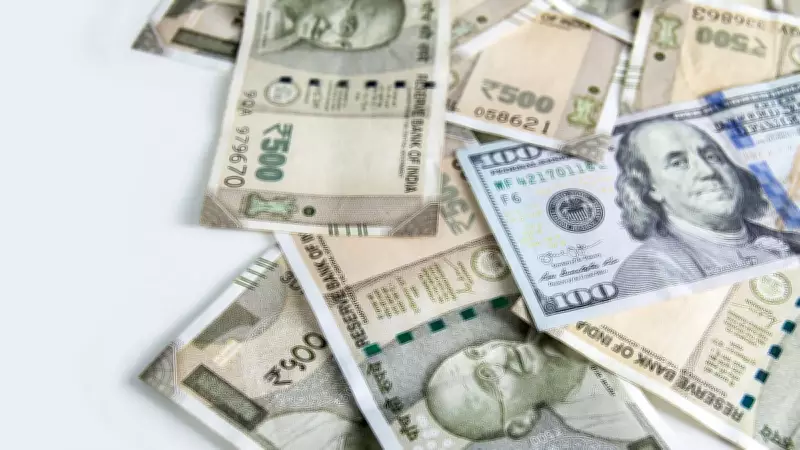
Indian Rupee Plunges to Historic Low Against US Dollar in Forex Trading
The Indian rupee settled at an unprecedented all-time low of 91.99 against the US dollar on Thursday, January 29, 2026, marking a significant depreciation in the domestic currency's value. This record-breaking close underscores the ongoing pressures faced by the rupee in the global foreign exchange market, reflecting broader economic trends and investor sentiment.
Volatile Trading Session Sees Rupee Touch Intra-Day Low of 92
In a day of highly volatile trading, the rupee experienced notable fluctuations at the interbank foreign exchange. The currency opened the session at 91.95 against the greenback, showing initial stability. It briefly managed to gain some ground, touching an early high of 91.82, which offered a glimmer of hope for traders and investors.
However, this upward momentum was short-lived as the rupee quickly pared its gains, succumbing to selling pressure. The currency subsequently declined to touch an intra-day low of 92 against the US dollar, highlighting the bearish sentiment prevailing in the market. This sharp drop during the trading day contributed to the eventual record-low closing figure, emphasizing the rupee's vulnerability to market dynamics.

Factors Influencing the Rupee's Performance
The rupee's decline to a historic low can be attributed to several key factors:
- Global Economic Conditions: Broader international market trends and monetary policies, particularly those of the United States, often impact currency valuations.
- Domestic Economic Indicators: India's internal economic data, including inflation rates and trade balances, play a crucial role in shaping the rupee's strength.
- Investor Sentiment: Market perceptions and speculative activities can lead to increased volatility in forex trading.
- External Pressures: Geopolitical events and global financial uncertainties may exert downward pressure on emerging market currencies like the rupee.
This development is closely monitored by economists, policymakers, and market participants, as it has implications for India's import-export dynamics, inflation, and overall economic stability. The record low underscores the need for strategic interventions to bolster the currency and mitigate adverse effects on the economy.