

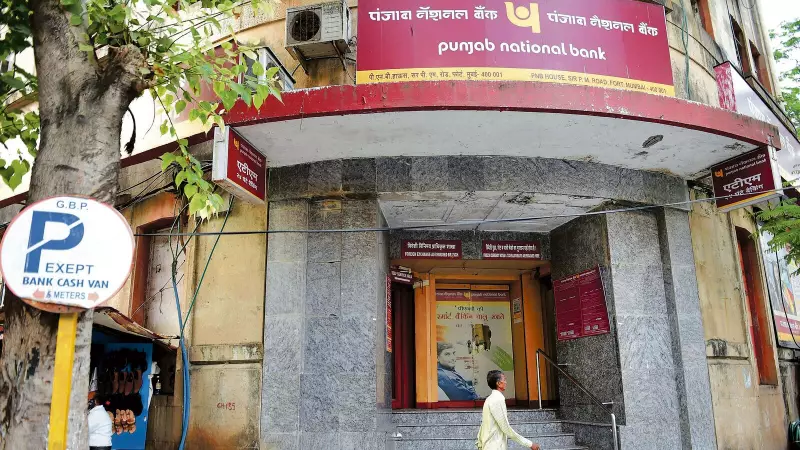
In a significant disclosure, Punjab National Bank (PNB) has flagged a major case of borrowal fraud to the country's banking regulator. The state-owned lender informed the Reserve Bank of India (RBI) about a fraud amounting to approximately ₹2,434 crore. This financial misconduct is linked to the former promoters of SREI Equipment Finance Ltd and SREI Infrastructure Finance Ltd.
Details of the Fraudulent Borrowal Case
The bank made this announcement to the stock exchanges on Friday, 26 December 2025. According to the filing, the fraudulent activities are associated with the past leadership of the two SREI group companies. It is crucial to note that both these non-banking financial companies (NBFCs) have already undergone a resolution process.
PNB clarified that SREI Equipment Finance Ltd and SREI Infrastructure Finance Ltd were successfully resolved under the Corporate Insolvency Resolution Process (CIRP). This legal process was overseen by the National Company Law Tribunal (NCLT). The bank's notification to the RBI is a formal step following the discovery of the fraud within its accounts.

The Resolution Process and Current Implications
The fact that the companies are under new management after the NCLT-led insolvency process adds a layer of complexity to the situation. The fraud pertains to the era of the former promoters, meaning the individuals who controlled the companies before the insolvency proceedings changed their ownership and leadership.
By reporting this to the central bank, PNB has initiated the standard protocol for dealing with such large-scale financial irregularities. A borrowal fraud typically involves the diversion of funds, misrepresentation of financial statements, or siphoning off money taken as a loan from the bank.
Next Steps and Broader Impact
This revelation is expected to trigger further investigation by the RBI and possibly other enforcement agencies. The case highlights the ongoing challenges public sector banks face in recovering from non-performing assets and legacy frauds, even after the underlying companies have been resolved through legal mechanisms.
The disclosure underscores the importance of rigorous due diligence and monitoring by lending institutions. For Punjab National Bank, this adds to its historical challenges with high-value frauds, necessitating strengthened internal controls and recovery efforts. The market and investors will be watching closely for updates on the recovery process and any potential financial impact on the bank's balance sheet.






