

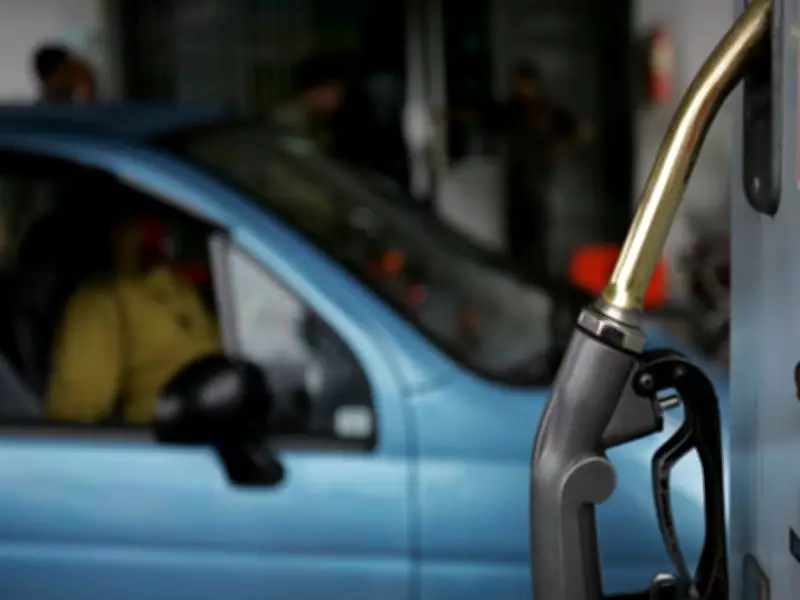
Fuel prices have risen by approximately Rs 7.5 per litre in less than two weeks since May 15, significantly increasing the cost of driving a car for regular commuters.
Recent Price Revision
Petrol and diesel prices have gone up by Rs 2.61 and Rs 2.71 per litre, respectively, in the latest revision alone. As a result, petrol prices in Delhi have crossed Rs 102 per litre, while diesel prices have exceeded Rs 95 per litre.
Reasons Behind the Fuel Price Hike
Gulf Supply Disruption
Escalating geopolitical tensions have disrupted expectations of oil supply from the Gulf, causing Brent crude prices to surge. India, which imports more than 85 per cent of its oil requirement, remains particularly vulnerable to any spike in global prices.

Tightening Refining Margins
Refineries are making less money even as raw material costs rise because the crack spread—the difference between the cost of crude supplies and the output of refined products—has shrunk. This pain is absorbed by oil marketing companies (OMCs) until they are unable to do so.
Rupee Declining
The landed cost of each barrel of crude that India buys is directly increased by a declining rupee compared to the US dollar. The import bill amplifies the shock to crude prices when the rupee is under pressure.
Impact on Car Owners
On paper, a Rs 7.5 per litre increase might seem insignificant, but when monthly usage is taken into account, it becomes substantial. The additional monthly fuel cost is approximately Rs 400 to Rs 450 for a petrol car owner who drives about 1,000 km per month with an average fuel efficiency of 18 km/l. Depending on usage, the rise can potentially surpass Rs 700 to Rs 1,800 per month for owners of diesel SUVs or commercial drivers.
As a result, fuel economy and operating expenses become far more important when making a purchase.
Shift Towards CNG Vehicles
The rise in fuel prices is also expected to benefit CNG vehicles. Companies such as Maruti Suzuki, Tata Motors and Hyundai already offer several CNG variants, and rising petrol and diesel prices make CNG’s lower operating cost even more attractive. Demand may increase for models such as the Maruti Wagon R CNG, Dzire CNG, Ertiga CNG, Tata Tiago CNG, Tigor CNG and Hyundai Exter CNG, particularly among city users and fleet operators.
For budget-conscious buyers, CNG is emerging as an even stronger alternative to petrol.
Financial Impact on OMCs
The ongoing crisis in West Asia has pushed up global crude oil prices, significantly impacting OMCs. During the crisis, state-owned oil companies lost nearly Rs 1 lakh crore in 10 weeks, or around Rs 1,600-1,700 crore per day. Petrol prices in several cities are expected to touch Rs 114 per litre, highlighting the widening disparity in fuel prices across states and adding to consumer concerns over rising fuel expenses.






