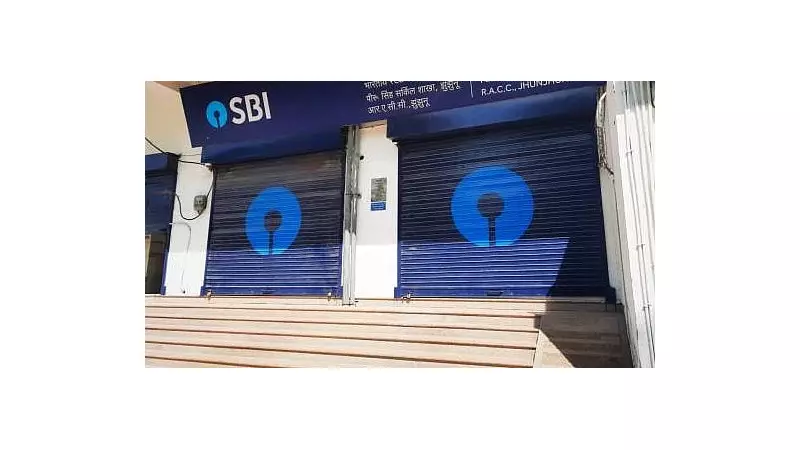
Nationwide Bank Strike Disrupts Financial Services Across India
A comprehensive nationwide bank strike has been called today, significantly impacting banking operations across public sector institutions throughout the country. The industrial action, organized by major banking unions, is expected to cause widespread disruption to essential financial services that millions of Indians rely upon for their daily transactions and financial management.
Banking Services Expected to Face Major Disruptions
The strike is anticipated to severely affect several critical banking functions at branches of public sector banks. Customers should prepare for potential difficulties with:
- Cash deposit and withdrawal services at branch counters
- Cheque clearance and processing operations
- Administrative and back-office work that supports banking functions
- New account opening procedures and documentation processing
- Loan processing and sanction activities
Primary Demand: Immediate Implementation of Five-Day Work Week
The United Forum of Bank Unions, representing various banking employee organizations, has called for this nationwide strike to press for the immediate implementation of a five-day work week in the banking sector. This demand has been a long-standing issue between bank employees and management, with unions arguing that banking employees deserve work-life balance improvements similar to those in other organized sectors.

The strike action comes after failed negotiations between banking unions and management representatives. Union leaders have emphasized that the current six-day work week in many banking operations creates excessive stress and reduces productivity, while a five-day schedule would align Indian banking practices with international standards.
Impact on Major Public Sector Banks
The strike is expected to affect all major public sector banks including:
- State Bank of India (SBI) - India's largest public sector bank
- Punjab National Bank (PNB) - One of the country's major banking institutions
- Other nationalized banks across all states and union territories
While ATMs might continue to function in many locations, customers are advised to plan their banking needs accordingly as branch services will be severely limited. Online banking services and digital transactions through mobile applications may continue to operate normally, though some backend processing could experience delays.
Broader Implications for Banking Customers and Economy
The timing of this strike during regular banking hours means that businesses and individual customers who rely on same-day banking transactions may face significant inconvenience. Small businesses that depend on daily cash deposits and cheque clearances could experience cash flow disruptions, while salary processing for some organizations might be delayed.
Banking unions have stated that the strike is necessary to draw attention to their legitimate demands regarding working conditions and employee welfare. They argue that improved working conditions would ultimately benefit customers through better service quality and more motivated banking staff.
The banking sector strike represents one of the largest industrial actions in the financial services industry this year, highlighting ongoing tensions between employee welfare considerations and operational requirements in India's banking system.