Government Considers Raising FDI Cap in Public Sector Banks to 49%
A senior government official announced on Friday that India may increase the foreign direct investment (FDI) limit in public sector banks from the current 20% to as high as 49%. This review aims to attract more foreign investors, enhance the capital base of these banks, and foster the development of larger banking institutions in the country.
Current Status and Considerations
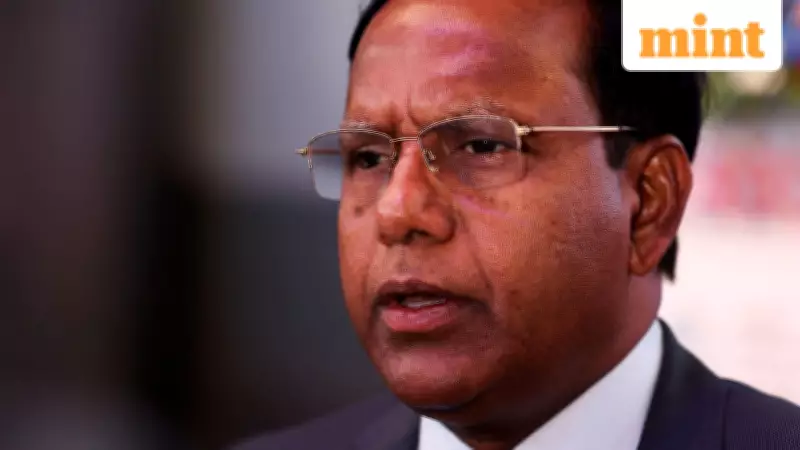
Following the finance minister's Budget speech on Sunday, M Nagaraju, Secretary of the Department of Financial Services, clarified that the finance ministry is actively deliberating this proposal. Inter-ministerial consultations are underway to determine the appropriate level of FDI in PSBs. Nagaraju emphasized that any decision must keep the FDI below 49%, as the government is mandated to maintain at least a 51% stake in these banks to retain control.
In contrast, private-sector banks have a higher FDI limit of 74%, with up to 49% allowed through the automatic route—meaning no prior government or RBI approval is needed. For investments exceeding 49%, government permission is required. This disparity highlights the cautious approach toward PSBs while encouraging foreign participation in the private banking sector.

Background and Rationale
Mint reported in July 2025 that the government planned to raise the FDI limit in PSBs to 49%, with voting rights potentially capped at 10% to prevent undue foreign influence. Currently, foreign investment in PSBs remains minimal. As of 30 June 2025, the top six PSBs had foreign institutional holdings ranging from 4.55% to 11.38%, with negligible investments from foreign companies or banks. Even domestic investors like mutual funds and corporate bodies hold less than 10% stakes in these banks.
The government's shareholding in 12 PSBs has remained stable since 2020, though it has diluted in some banks due to fresh share issuances for capital raising. This low foreign participation underscores the need for policy changes to inject more capital into the banking system.
Goals and Expected Outcomes
Nagaraju explained that a higher FDI limit would provide PSBs with additional capital to expand operations and achieve the scale of major banks like State Bank of India or HDFC Bank. "We need to have at least three or four big banks for a country of our size," he stated, noting that larger banks can better manage risks and offer substantial loans. He added, "None of the banks today can do that alone. We don't have the financial capacity to lend big amounts."
To further attract capital, PSBs are expected to launch qualified institutional placements (QIPs) worth approximately ₹50,000 crore in FY27, up from ₹45,000 crore anticipated in FY26. This aligns with the broader vision of strengthening the banking sector to support India's economic ambitions.
Related Developments and Future Plans
Regarding the strategic sale of IDBI Bank, Nagaraju indicated that financial bids would be invited soon, with the process targeted for completion this fiscal year. The government and LIC plan to sell a combined 60.7% stake in the bank, which was rescued by LIC in 2019 due to bad loans. Additionally, LIC may launch an offer next year to sell a portion of the government's stake.
On the proposed high-level committee on banking mentioned in the budget, Nagaraju said its terms of reference would be finalized before formation. The committee will explore policy and regulatory changes to help banks support Vision 2047, aiming for India to become a $30-trillion economy by that year. This would require an estimated $36-37 trillion in credit, necessitating a robust banking roadmap.
Nagaraju also addressed UPI transactions, noting that Budget FY27 allocates ₹2,000 crore to keep UPI costs at zero, following ₹7,200 crore spent over the past four years. He stressed the importance of maintaining UPI as an attractive payment mechanism to onboard the remaining two-thirds of the population yet to adopt it.