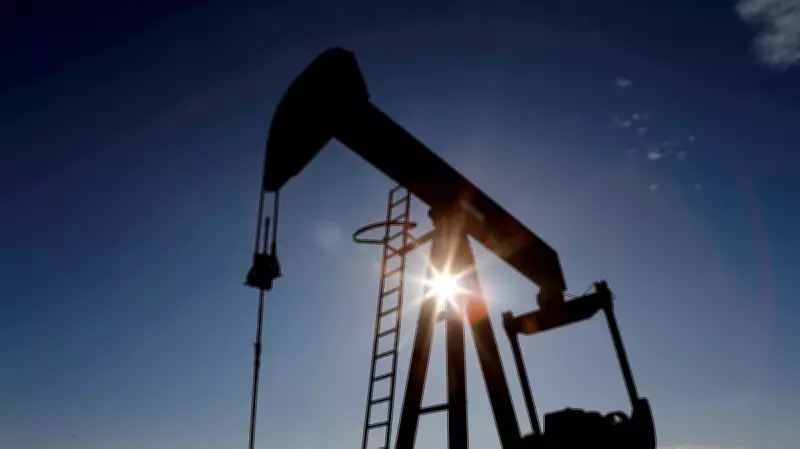
Crude oil futures experienced a significant surge of over 3% on Wednesday, driven by escalating fears of supply disruptions in the global energy market. The International Energy Agency (IEA) has issued a stark warning that oil markets could remain severely undersupplied through October, even if geopolitical tensions in key producing regions show signs of easing in the coming months.
IEA Warns of Prolonged Undersupply
The IEA's latest monthly report highlighted that global oil supply is struggling to keep pace with robust demand, particularly as major producers face operational challenges and geopolitical uncertainties. The agency cautioned that even a de-escalation of conflicts might not be enough to restore balance quickly, as production capacity constraints and inventory drawdowns continue to pressure markets.
Market Reaction and Price Movements
In early trade, benchmark crude oil futures climbed more than 3%, with Brent crude surpassing $85 per barrel and West Texas Intermediate (WTI) hovering near $81. Traders reacted swiftly to the IEA's assessment, which underscored the fragility of the current supply-demand equilibrium. Analysts noted that the rally was also supported by a weaker US dollar and optimism around Chinese demand recovery.

Geopolitical Factors in Focus
Geopolitical tensions remain a key driver of oil price volatility. Ongoing conflicts in Eastern Europe and instability in the Middle East have raised concerns about potential supply cuts. While diplomatic efforts are underway, the IEA's report suggests that any resolution may take time to translate into tangible supply improvements, leaving markets on edge.
Impact on Global Economy and Consumers
The sustained rise in crude prices is likely to have ripple effects across the global economy, potentially fueling inflationary pressures and increasing costs for consumers. Higher energy prices could weigh on economic growth, particularly in import-dependent nations. Policymakers and central banks are closely monitoring the situation as they balance inflation control with growth support.
Outlook and Analyst Views
Market analysts remain divided on the near-term trajectory. Some expect prices to remain elevated due to persistent supply risks, while others anticipate a correction if geopolitical tensions subside and production ramps up. The IEA's warning, however, has reinforced the view that the oil market will remain tight for the foreseeable future, with potential for further price spikes.
Investors are now focused on upcoming OPEC+ meetings and US inventory data for additional cues. The energy sector continues to be a focal point for traders amid the ongoing uncertainty.