Chennai: The insurance ombudsman for Tamil Nadu and Puducherry has reported a significant rise in complaints related to AYUSH (Ayurveda, Yoga, Unani, Siddha and Homeopathy) treatments under medical insurance policies over the past year. This increase follows a landmark directive from the Insurance Regulatory and Development Authority of India (IRDAI) in April 2024, which mandated general and health insurers to treat AYUSH therapies on par with conventional medical treatments, thereby expanding policyholder choice.
Sharp Rise in Overall Insurance Grievances
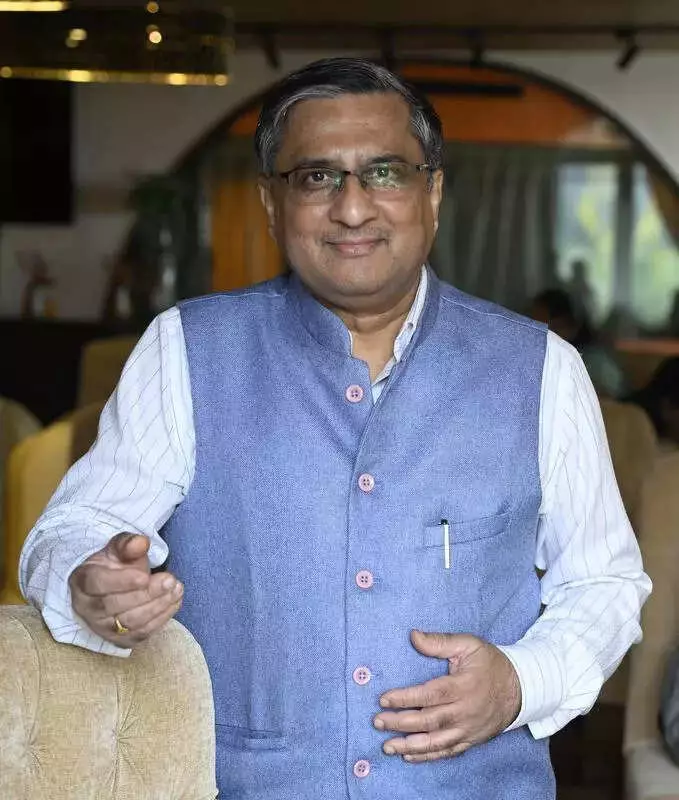
In an exclusive interview, K Vinayak Rao, the insurance ombudsman for the region, provided detailed insights into the grievance patterns across health, life, and non-life insurance segments. The data reveals a concerning upward trend in complaints.
Complaint Statistics: FY25 vs. April–December FY26
The total number of complaints registered across all three insurance segments—life, non-life, and health—during the April–December period of FY26 surged by approximately 45% compared to the same period in the previous year. Specifically, while FY25 saw a total of 2,800 complaints, the first nine months of FY26 alone recorded 3,376 complaints.

Health insurance complaints showed a particularly sharp increase, jumping nearly 31% to 2,436 in the April–December FY26 period. This figure surpasses the total of 1,861 health insurance complaints recorded for the entirety of FY25.
Primary Reasons for Health Insurance Complaints
According to the ombudsman, the majority of health insurance claims are rejected due to several key issues:
- Non-disclosure of Pre-existing Conditions: Policyholders often fail to disclose pre-existing diseases at the time of policy proposal.
- Suppression of Material Facts: Concealing habits like smoking or alcohol consumption during the purchase process leads to claim denials.
- "Reasonable and Customary Charges": Insurers frequently offer lower settlements by arguing that treatment costs at other local hospitals are cheaper than those at the policyholder's chosen facility. The ombudsman emphasized that unless hospital charges are exorbitantly high, applying such charges is inappropriate.
- Mis-selling by Agents: This remains a major contributor to policyholder grievances.
"Unless a policy explicitly specifies sub-limits or restrictions, policyholders should have the freedom to seek treatment at a hospital of their choice," stated Rao, highlighting a core principle for fair claim settlement.
AYUSH-Specific Complaints on the Rise
Following the IRDAI directive, complaints specifically related to AYUSH treatments have increased by 8–10% year-on-year (comparing April–December FY25 with April–December FY26). The primary reason for claim rejection in AYUSH cases has been insurers deeming hospitalization as not medically necessary, creating a significant point of contention between policyholders and insurance providers.
Grievance Trends in Life and Non-Life Insurance
The ombudsman also outlined complaint trends in other segments:
- Life Insurance: Most grievances revolve around policyholders not receiving the correct surrender value or maturity value from their policies.
- Non-Life Insurance: The majority of claims in this segment pertain to losses due to natural calamities like floods or motor vehicle accidents.
Increased Public Awareness Drives Ombudsman Engagement
The rising number of people approaching the insurance ombudsman is attributed primarily to greater public awareness about the institution and its services. The effectiveness of the forum is evident in its disposal rates: 2,103 complaints were resolved during April–December of the current financial year, marking a 41% increase over the 1,495 cases disposed of in the same period of FY25.
Of the resolved cases in FY26, 1,453 pertained to health insurance, making it the category with the highest number of settlements. The ombudsman scheme's accessibility—charging no fees, not requiring legal practitioners, and deciding 99% of cases in a single hearing—is cited as its greatest strength in providing swift redressal to aggrieved policyholders.