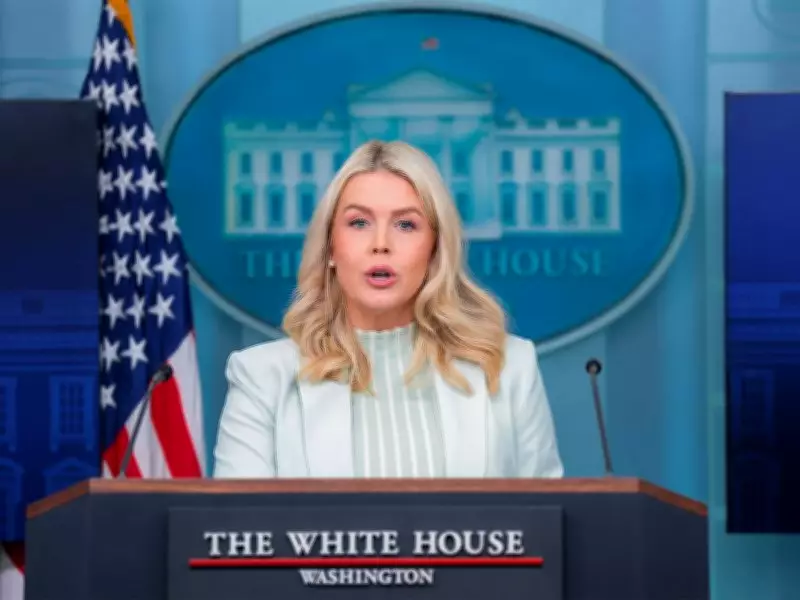
White House Defends Trump's Iran Strategy Amid Criticism
The White House has publicly defended the Iran strategy implemented under former President Donald Trump, asserting that a nuclear agreement was on the verge of being finalized. This defense comes in response to mounting criticism that characterized the approach as "willfully ignorant" of the intricate diplomatic landscape surrounding Iran.
Claims of a Near-Finalized Deal
According to White House officials, the Trump administration's efforts brought the United States "very close" to securing a new nuclear accord with Iran. They argue that the strategy was a calculated move, designed to apply maximum pressure through sanctions while keeping open channels for negotiation. This perspective contrasts sharply with detractors who claim the administration overlooked key diplomatic nuances and regional stability concerns.
Defense Against 'Willfully Ignorant' Accusations
The term "willfully ignorant" has been used by critics to describe the Trump administration's handling of Iran, suggesting a deliberate disregard for expert advice and historical context. In rebuttal, White House representatives have emphasized that the strategy was intentional and goal-oriented, aimed at compelling Iran to agree to stricter terms than those in the previous Joint Comprehensive Plan of Action (JCPOA).

Key elements of the defense include:
- Assertions that sanctions reimposed by Trump crippled Iran's economy, forcing it back to the negotiating table.
- Claims that the administration maintained a clear-eyed view of Iran's regional activities, including support for proxy groups.
- Arguments that the approach prioritized U.S. national security interests over multilateral consensus.
Broader Implications for U.S. Foreign Policy
This defense highlights ongoing debates within U.S. foreign policy circles regarding the efficacy of maximum pressure tactics versus diplomatic engagement. The Trump administration's withdrawal from the JCPOA in 2018 and subsequent "maximum pressure" campaign have had lasting impacts, influencing current administration efforts to revive negotiations.
Observers note that the White House's statements may aim to:
- Legitimize the strategic choices made during Trump's tenure.
- Shape historical narratives around U.S.-Iran relations.
- Influence future policy directions by underscoring perceived successes.
As discussions continue, the characterization of the strategy as either "willfully ignorant" or "strategically sound" remains a point of contention, reflecting deeper divisions over how best to address Iran's nuclear ambitions and regional influence.