JD Vance Defends ICE Agent After Minneapolis Shooting
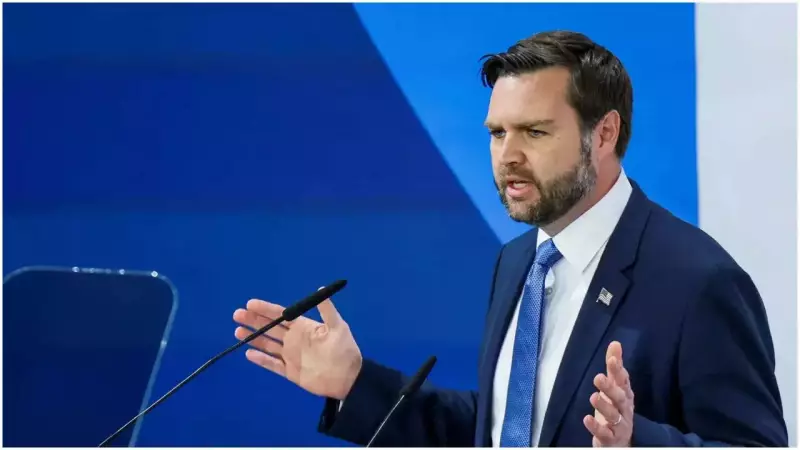
US Vice President JD Vance publicly defended an Immigration and Customs Enforcement agent who shot and killed Renee Nicole Good in Minneapolis. Vance made his remarks and posted on social media the day after the shooting occurred. He specifically blamed immigrants, including Somali immigrants, for welfare fraud and rising childcare costs across America.
Social Media Defense and Accusations
In a series of posts on X, Vance defended the agent's actions. He blamed immigrants in general and Somali immigrants in particular for cheating taxpayers. Vance claimed they were responsible for raising childcare costs for American families.
Vance then denounced Renee Nicole Good. He accused her of intentionally attacking a federal agent with her car. Vance alleged she belonged to a broader network of activists. He claimed these activists plotted to attack, dox, and assault federal law enforcement officers.

The Atlantic reported that Vance criticized media outlets for covering the shooter unsympathetically. The report stated Vance's comments appeared planned rather than spontaneous. He did not wait for all the facts to emerge. Vance expressed no compassion for Good or her family.
Video Promotion and Political Timing
Vance later posted on X again. He first promoted a video showing the shooting from the agent's point of view. Then he argued with a journalist about the video. Vance stated the agent was allowed to discharge his weapon in self-defense.
This defense came at a politically sensitive moment. Polling conducted the same day as the shooting showed growing public opposition to ICE tactics. A majority of Americans described the agency as overly forceful.
Despite this public sentiment, Vance closely aligned himself with ICE. The agency faced heightened scrutiny for a series of violent encounters. Investigations cited at least four fatal ICE shootings since a crackdown began in June. There were more than thirty incidents involving gunfire or agents pointing weapons at civilians.
Political Logic Behind Vance's Stance
There is clear political logic to Vance's combative stance. Vance understands what ICE means to Trump's base. For MAGA America, ICE represents an instrument for cleansing violence.
Look at ICE and Department of Homeland Security social media posts. They glorified force with videos of heavily armed agents detaining unarmed individuals. They used nationalist imagery invoking themes of reclaiming the nation.
Critics said this messaging echoed MAGA politics. They described it as prioritizing displays of dominance and respect enforcement over legal restraint or proportionality.
Selective Law Enforcement Support
The analysis highlighted MAGA's selective support for law enforcement. While the administration defended ICE aggressively, it pardoned hundreds involved in the January 6 Capitol riot. It repeatedly attacked other law-enforcement institutions including the FBI and federal prosecutors.
According to the report, the Minneapolis shooting illustrated this worldview. Video evidence suggested Good was unarmed and attempting to flee. This raised legal and ethical questions about the use of deadly force.
Yet Vance's swift and unequivocal defense of the agent appeared consistent with MAGA ideology. This ideology treats perceived disrespect toward authority as intolerable. The report concluded the episode reflected a broader political stance. In this stance, assertion of power and punishment for defiance takes precedence over accountability, due process, and public trust.
Political Strategy Differences
It increasingly appears that JD Vance and Secretary of State Marco Rubio have chosen different stages for their political performances. Rubio emerged as the public face of Washington's show of force in Venezuela. He dominated cable news appearances after the strike.
Vance anchored himself to the Minneapolis shooting. Whether Vance was absent from the Venezuela moment by design or by exclusion remains unclear. But the contrast has not gone unnoticed.
There are two plausible explanations. One is that foreign-policy hawks sidelined Vance. They wanted a clean, uncomplicated projection of strength abroad free of domestic political baggage.

The other is that Vance sidelined himself. He may have opted to avoid a volatile foreign-policy gamble that could fracture his carefully cultivated image.