In a dramatic reshaping of its global role, the United States under President Donald Trump has initiated a sweeping retreat from multilateralism, authorising a withdrawal from 66 international organisations. This historic move, coupled with a staggering proposal to increase defence spending to $1.5 trillion, signals a profound shift towards a more insular and protectionist foreign policy, raising alarms among allies and analysts worldwide.
The Unprecedented Withdrawal: A List of Exits
The decision was formalised through a presidential memorandum on January 7, targeting a total of 66 entities. This list includes 31 United Nations bodies and 35 non-UN groups spanning critical areas like climate action, global health, education, trade, and human rights. The action stems from an Executive Order issued shortly after Trump's inauguration in February 2025, which mandated a review of all international memberships deemed contrary to U.S. national interests.
Prominent among the organisations facing a U.S. exit are the United Nations Framework Convention on Climate Change (UNFCCC), marking a complete departure from global climate agreements; the United Nations Educational, Scientific and Cultural Organization (UNESCO), which the U.S. had only recently rejoined; and the World Health Organization (WHO), reigniting tensions from Trump's first term. The State Department has labelled all 66 entities as "wasteful, ineffective, or harmful." The disengagement is not uniform; while Washington has formally withdrawn from some, it has suspended funding, reduced diplomatic ties, or signalled intent to leave others as legal provisions allow.

Administration officials, including Secretary of State Marco Rubio, argue these bodies "no longer serve American interests" and often promote policies hostile to U.S. economic strength. They specifically criticised climate organisations for placing "undue burdens" on American business without securing similar commitments from major emitters like China and India, despite the latter's significantly lower per capita emissions.
The 'Fortress America' Doctrine: Military Buildup and Debt Concerns
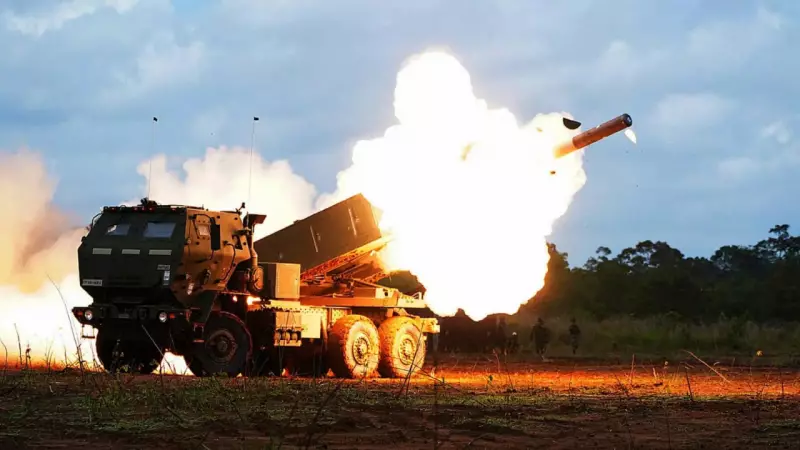
Coinciding with the multilateral pullback, President Trump unveiled an audacious defence budget proposal for the fiscal year 2027, seeking a whopping $1.5 trillion. This represents a 50% increase over the current $1 trillion allocation. Trump justified this "dream military" budget as essential for national safety and security in "troubled and dangerous times," with funds earmarked for nuclear modernisation, missile defence, and cyber capabilities.
However, this proposal has ignited fierce debate. Critics point out that the U.S. already spends more on its military than the next ten countries combined. Sustaining this $1.5 trillion level over a decade could add an estimated $5.8 trillion to the already record-breaking national debt, which stands near $38 trillion. Fiscal watchdogs highlight the irony of slashing international cooperation funds while massively inflating an already colossal defence budget, contradicting promises to curb government waste.
Global Repercussions and Strategic Fallout
The twin policies of withdrawal and military expansion are widely seen as crystallising a "Fortress America" doctrine, prioritising unilateral strength and domestic spending over global engagement. This approach is explicitly outlined in the December 2025 National Security Strategy (NSS), which critiques allies for insufficient burden-sharing.
The global reaction has been one of deep concern. European leaders view the U.S. exits as a severe blow to collective security and multilateral problem-solving. Adversaries like Russia and China are seen as potential beneficiaries, ready to fill the leadership vacuum created by Washington's retreat. Key partners in the Indo-Pacific, including India, Japan, and Australia, are left navigating a more uncertain strategic landscape without the assured backing of U.S.-led multilateral frameworks.

Foreign policy experts warn that this strategy risks long-term damage to U.S. power, economic interests, and security by fostering global adversity and undermining the very systems of cooperation that have underpinned international stability for decades. The surge in defence stocks following the budget announcement also revives concerns about the growing influence of the military-industrial complex, a phenomenon famously cautioned against by President Dwight Eisenhower.
As the world grapples with transnational challenges like climate change and pandemic preparedness, America's large-scale withdrawal from the institutions designed to address them marks a pivotal and contentious moment in 21st-century geopolitics.