Winter Storm Paralyzes United States with Massive Flight Cancellations and Widespread Warnings
A powerful and extensive winter storm has swept across much of the United States, creating severe disruptions and forcing the cancellation of more than 9,000 flights over the weekend. The National Weather Service (NWS) has issued winter storm warnings for nearly 140 million people across a vast geographical stretch extending from New Mexico all the way to New England.
Dangerous Weather Conditions and Ice Threats
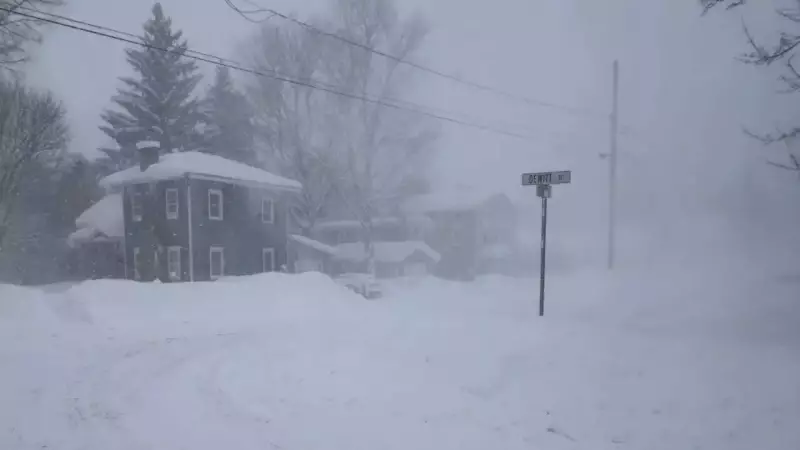
The storm system is expected to bring widespread heavy snowfall along with a particularly dangerous band of ice that extends from east Texas through to North Carolina. Meteorologists have issued stark warnings, indicating that the potential damage in ice-impacted regions could rival the destruction typically caused by a hurricane.
By Saturday, freezing rain and sleet that initially struck northern Texas began moving deeper into the state, while snow and sleet continued to fall across Oklahoma. The NWS stated that bitterly cold temperatures and severe wind chills would persist through Monday, with lows dipping into the single digits in several areas and wind chills plummeting to a bone-chilling minus 12 degrees Fahrenheit (minus 24 degrees Celsius).

Major Transportation Disruptions and Flight Chaos
Flight disruptions mounted rapidly as the storm intensified. Data from FlightAware showed more than 3,400 flights were delayed or cancelled on Saturday alone, with over 5,000 additional flights scrapped for Sunday. Major airports across Texas, the Midwest, and parts of the Northeast were among the worst affected, with travel plans thrown into chaos for thousands of passengers.
Power Supply Concerns and Widespread Outages
The storm is also raising significant alarms over the stability of the power supply across affected regions. Around 68,000 power outages were reported nationwide on Saturday morning, including more than 27,000 in Texas alone. Utility companies have warned that ice-laden trees and power lines could continue to snap even after the storm passes, potentially prolonging outages for several days.
Emergency Declarations and Government Response
Governors in over a dozen states have issued emergency declarations or urged residents to stay home for their safety. Texas Governor Greg Abbott confirmed that roadways were being pretreated and strongly advised people to avoid travel if possible. Federal authorities have placed nearly 30 search-and-rescue teams on standby and pre-positioned emergency supplies, including meals, blankets, and generators, across the storm’s projected path.
Extreme Cold and Regional Impacts
The Midwest bore the brunt of the extreme cold, with wind chills dropping to a staggering minus 40 degrees Fahrenheit in parts of North Dakota, where officials warned that frostbite could occur within mere minutes of exposure. As the system moves eastward, forecasters expect up to a foot of snow in parts of the Northeast, including major cities like Washington, New York, and Boston.
The combination of heavy snowfall, ice accumulation, and dangerously low temperatures continues to pose significant risks to public safety, infrastructure, and daily life across a large portion of the United States.