

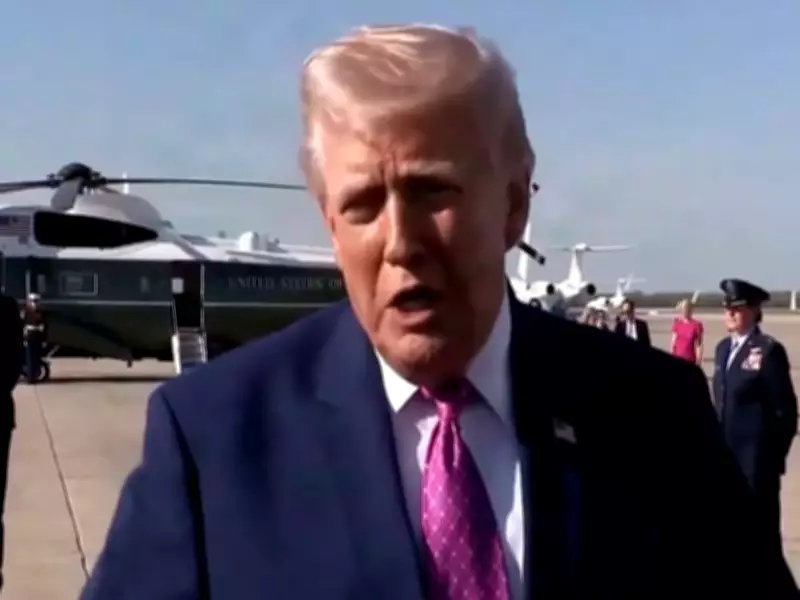
Trump Declares US Will Prevent Iran from Imposing Tolls on Strait of Hormuz
Former United States President Donald Trump has made a firm declaration that the United States will not permit Iran to impose tolls on vessels navigating through the strategically vital Strait of Hormuz. This statement underscores the ongoing geopolitical tensions in the Middle East and highlights the critical importance of this maritime passage for global energy supplies.
Strategic Importance of the Strait of Hormuz
The Strait of Hormuz is a narrow waterway located between the Persian Gulf and the Gulf of Oman. It serves as a crucial chokepoint for the international oil trade, with approximately one-fifth of the world's petroleum liquids passing through it annually. This makes it a focal point for global economic stability and security concerns.
Iran has previously threatened to disrupt shipping in the strait as a response to international sanctions or military pressures. The idea of imposing tolls on commercial vessels has been floated by Iranian officials in the past as a potential retaliatory measure, which could significantly impact oil prices and trade routes.

Trump's Stance on Maritime Security
In his remarks, Trump emphasized the United States' commitment to ensuring free and open navigation in international waters. He stated that any attempt by Iran to levy tolls would be met with strong opposition from the US, potentially involving diplomatic, economic, or military measures to safeguard maritime traffic.
This position aligns with longstanding US policy aimed at countering Iranian influence in the region and protecting key shipping lanes. The Trump administration had previously increased naval presence in the area to deter Iranian aggression, and this latest statement reinforces that approach.
Implications for Global Trade and Diplomacy
The potential imposition of tolls by Iran could have far-reaching consequences:
- Economic Impact: Increased costs for shipping companies could lead to higher oil prices worldwide, affecting economies dependent on energy imports.
- Security Concerns: Escalating tensions might result in heightened military activities, raising the risk of conflicts in an already volatile region.
- Diplomatic Ramifications: This issue could strain international relations, with allies and adversaries taking sides based on their economic and strategic interests.
Trump's declaration serves as a reminder of the complex interplay between energy security, maritime law, and geopolitical rivalries. It also highlights the ongoing challenges in US-Iran relations, which have been marked by periods of confrontation and negotiation over nuclear programs and regional dominance.
Historical Context and Future Outlook
Historically, the Strait of Hormuz has been a flashpoint in Middle Eastern conflicts, with incidents involving tanker attacks and naval standoffs. The US has traditionally played a key role in patrolling these waters to ensure stability, often in coordination with regional partners.
Looking ahead, the situation remains fluid, with potential for further developments depending on Iran's actions and the responses from the US and other global powers. Observers note that maintaining open access to the strait is essential for global energy markets, and any disruptions could trigger broader international crises.
In summary, Trump's vow to block Iran from imposing tolls on the Strait of Hormuz reflects deep-seated tensions and underscores the critical nature of this maritime corridor. As the world watches closely, the outcome of this standoff could shape regional dynamics and global economic trends for years to come.






