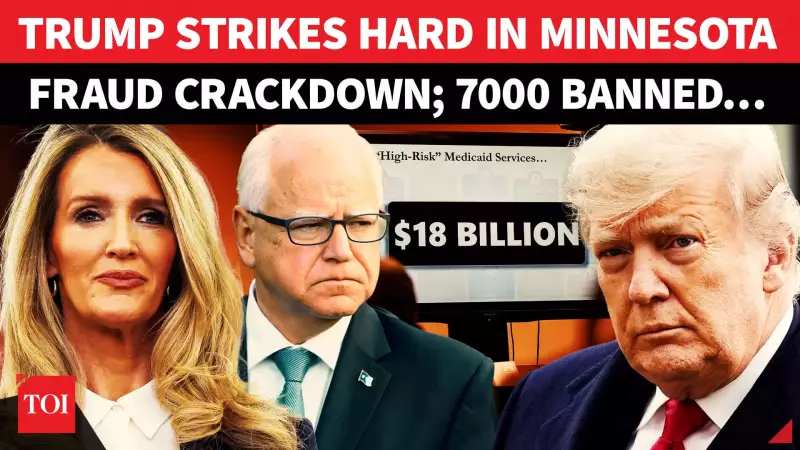
In a major crackdown on pandemic-related financial misconduct, US authorities have suspended thousands of borrowers in Minnesota linked to a colossal fraud scheme. The action highlights significant failures in oversight during the COVID-19 relief efforts.
Massive Fraud Uncovered in Pandemic Relief Loans
The Small Business Administration (SBA) has taken decisive action by suspending 6,900 borrowers in Minnesota. This move is part of one of the largest fraud investigations in US history concerning COVID-19 era loans. The probe has identified nearly $400 million in potentially fraudulent funds from the Paycheck Protection Program (PPP) and Economic Injury Disaster Loans (EIDL).
A notable portion of these funds is connected to a Somali fraud scheme operating in Minneapolis, revealing the complex nature of the scandal. SBA Administrator Kelly Loeffler announced the suspensions on January 3, 2026, stating that all individuals involved would face severe consequences.

Stringent Actions and Broader Implications
Administrator Loeffler was unequivocal in her statement. Those implicated will be banned from all future SBA programs and their cases will be referred to federal law enforcement for criminal prosecution. In a related punitive measure, the agency has also frozen over $5.5 million in federal support destined for Minnesota resource partners.
Investigators found that thousands of these questionable loans were approved and funded even after internal red flags were raised. This has sparked serious concerns about the lack of oversight and accountability within the loan distribution system during the peak of the pandemic crisis.
Questions Raised Over Pandemic Oversight
The scale of the fraud has led to intense scrutiny of the processes that were meant to help struggling businesses survive the economic downturn. The fact that such a vast sum could be misappropriated points to systemic vulnerabilities. This scandal is expected to lead to calls for stricter verification processes and more robust auditing mechanisms for any future government aid programs.
The fallout from this investigation continues to develop, with federal authorities likely to pursue charges that could result in significant prison sentences for the orchestrators of the fraud schemes.