In a stunning and unprecedented military operation, the United States has captured Venezuelan President Nicolas Maduro and his wife, Cilia Flores. The dramatic announcement was made by former US President Donald Trump via a post on his social media platform, Truth Social, on Saturday.
Trump's Announcement and Operation Details
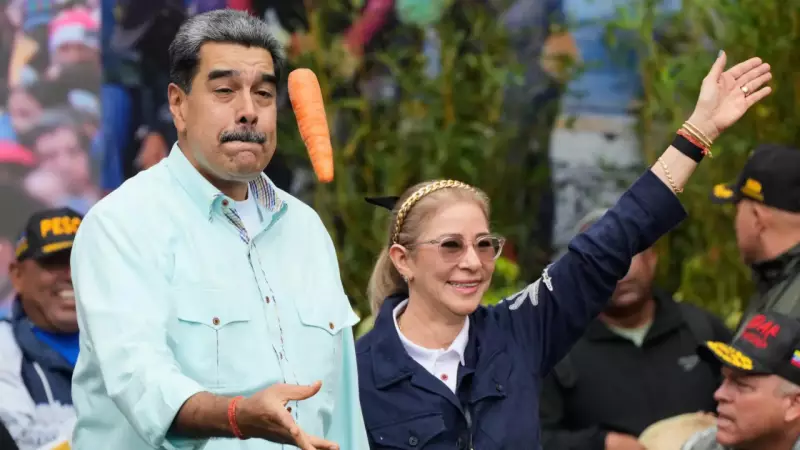
Donald Trump declared that the United States successfully executed a "large-scale strike" against Venezuela early on Saturday. In his post, he stated, "The United States of America has successfully carried out a large-scale strike against Venezuela and its leader, President Nicolas Maduro, who has been, along with his wife, captured and flown out of the Country."
Trump added that the operation was conducted in coordination with US Law Enforcement agencies. He promised that further details would be revealed during a press conference at his Mar-a-Lago estate. As of now, the Venezuelan government has not officially confirmed these claims made by the former US president.

Explosions Rock Caracas
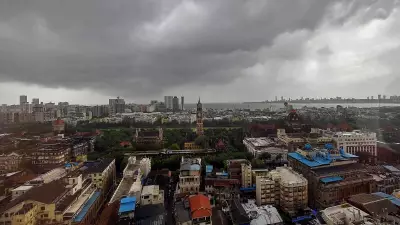
The announcement followed hours of chaos in the Venezuelan capital. A series of at least seven explosions were reported in Caracas, with residents witnessing low-flying aircraft over the city. The strikes, which sent people rushing into the streets, appeared to last for less than thirty minutes.
Despite the brief duration of the attack, the impact was severe. Parts of Caracas suffered extended power outages, with electricity not restored for hours after the incident. Citizens took to the internet to share footage and personal accounts of the alarming events.
Who is Nicolas Maduro?
The captured leader, Nicolas Maduro, has been a central and controversial figure in Venezuelan and global politics for over a decade.
- Born in Caracas in 1962, he started his career as a bus driver and a leader in the metro workers' union.
- He rose to prominence as a close ally of the charismatic socialist leader Hugo Chávez.
- Maduro served as Venezuela's Foreign Minister from 2006 to 2013, playing a key role in forming regional groups like ALBA and CELAC.
- He was appointed Vice-President in 2012 and became the interim president after Chávez's death in 2013.
- Maduro won a closely contested election later in 2013 and has maintained power since, despite widespread allegations of electoral fraud.
His presidency has been defined by a severe economic collapse, mass protests, international sanctions, and diplomatic isolation. The United States has long challenged Maduro's rule, accusing him of human rights violations, rigging elections, and involvement in narco-terrorism. In 2020, the US government formally charged Maduro, and in 2025, designated his administration as a foreign terrorist organization.
This bold military action marks a dramatic new chapter in the tense relationship between Washington and Caracas, with global implications that are yet to fully unfold.