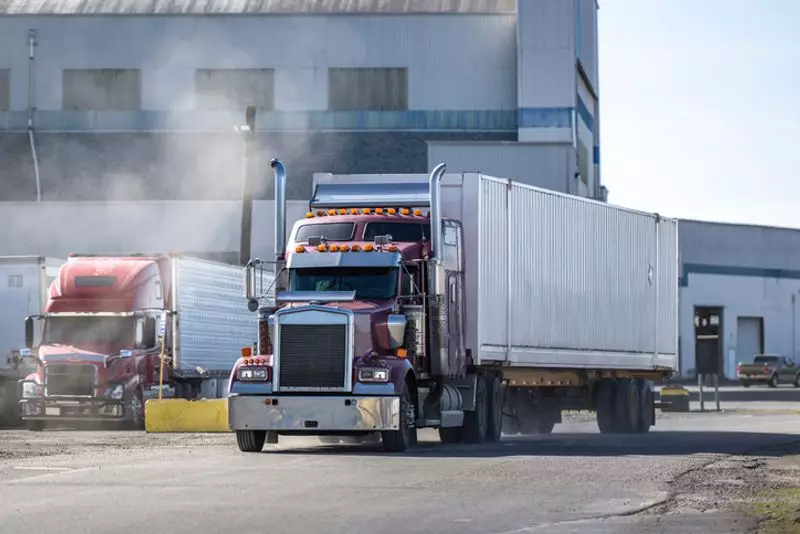
The livelihoods of an estimated 150,000 Punjabi-origin truck drivers in the United States are under a cloud of intense federal scrutiny. This follows a shocking revelation by the Federal Motor Carrier Safety Administration (FMCSA) that a staggering 44% of the commercial motor vehicle driver training programs it recently audited have failed to comply with crucial federal regulations.
Widespread Failures in Trucking Schools Trigger Crackdown
The FMCSA, the primary federal body regulating the trucking industry, conducted a thorough audit of 207 truck driver training schools across the nation. The results were alarming: 91 schools were found to be non-compliant with key Entry-Level Driver Training (ELDT) rules. These rules, which were fully implemented in February 2022, were designed to standardize and enhance the quality of training for new commercial drivers, ensuring they are properly prepared for the demanding job.
The audit uncovered a range of serious violations. Many schools were cited for failing to properly vet their instructors' qualifications and driving records. Others were found lacking in maintaining the required detailed records of both theory and behind-the-wheel training for each student. Perhaps most concerning were findings related to the issuance of completion certificates. The investigation revealed instances where certificates were issued to individuals who had not finished the mandated training, a direct breach of protocol that puts unsafe drivers on the road.

Punjabi Community in the Crosshairs of Federal Investigation
The fallout from this systemic failure is disproportionately affecting the Punjabi diaspora, which forms a massive and vital part of the American long-haul trucking workforce. Community leaders and media reports estimate that over 1.5 lakh drivers from the community are now facing heightened examination. The focus is particularly sharp on potential fraud related to Commercial Driver's Licenses (CDLs).
Federal agencies, including the FMCSA and the Department of Transportation's Office of Inspector General, are actively investigating networks suspected of facilitating CDL fraud. This includes schemes where individuals may have obtained their licenses through corrupt testing centers or by using impersonators during the exams, bypassing the official training altogether. The non-compliant schools have become a primary target in this wider probe, as they represent a critical point of failure in the system meant to ensure driver competency.
Immediate Actions and Long-Term Consequences
In response to the audit, the FMCSA has taken decisive action. It has initiated the process of revoking the certification of the 91 non-compliant schools. This means they will no longer be authorized to provide the federally-mandated ELDT. Students who attended these schools may find their training records invalidated, creating significant hurdles in their licensing process.
The implications for drivers are severe and immediate. Any driver who obtained their CDL based on training from a decertified school is now at risk. The FMCSA can invalidate their commercial learner's permits and even revoke their hard-earned CDLs. This threatens not only their ability to work but also poses a legal and financial crisis for thousands of families dependent on this income.
For the broader industry, this crackdown signals a new era of enforcement. The FMCSA has made it clear that the ELDT rules are not optional. The agency is leveraging its "boots on the ground" strike force to continue audits and ensure all entities in the commercial driving ecosystem—schools, testers, and employers—adhere strictly to the law. The goal is to root out fraud and substandard training, thereby enhancing safety on American highways.
The situation presents a profound challenge for the Punjabi trucking community in the US. While the majority are hardworking, legitimate drivers, the actions of a few bad actors and negligent institutions have brought unprecedented federal attention. The coming months will be critical as investigations unfold, determining the future for thousands of drivers and reshaping the landscape of commercial driver training in the United States.