Educational institutions across parts of the United States faced significant disruption on Tuesday, January 6, 2026, as treacherous weather conditions forced administrators to alter schedules. Multiple school districts in the states of Minnesota and western Wisconsin announced delays or full-day cancellations following a night of freezing rain that left roads dangerously slick.
Widespread Disruption to School Schedules
The decision to delay or cancel classes was a direct response to the hazardous travel environment created by overnight precipitation. In Minnesota, the districts of Stillwater, St. Cloud, and White Bear Lake implemented a two-hour delay to allow conditions to improve. Across the border in Wisconsin, schools in Hudson and River Falls also opted for delayed starts. Taking a more cautious approach, the St. Croix Falls School District in Wisconsin cancelled classes for the entire day, prioritising student and staff safety.
Dangerous Mix of Weather Elements
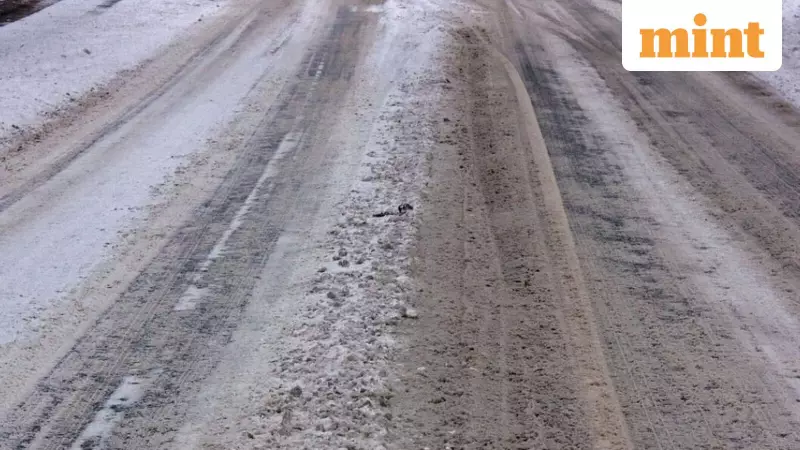
The region was battered by a complex and dangerous mix of early morning weather. A combination of rain, sleet, freezing rain, and snow blanketed much of central and southern Minnesota, as well as western Wisconsin, creating slushy and extremely slippery surfaces. In the Twin Cities metropolitan area, temperatures lingered stubbornly around the freezing mark, a critical threshold that significantly increased the risk of ice formation on pavement.

Compounding the problem was persistent rain, which was forecast to continue until approximately 7 a.m., with ongoing threats of freezing rain. To make matters worse, dense fog settled over several areas, severely reducing visibility for morning commuters and school transportation services.
Transportation Authorities Report Hazardous Conditions
The Minnesota Department of Transportation (MnDOT) confirmed scattered icy road conditions across the state. In the Twin Cities, the situation was exacerbated as overnight rain, combined with snow that had blocked storm drains, led to water pooling on streets early Tuesday.
Data from MnDOT painted a clear picture of the challenging commute, reporting a mix of road states:
- Normal pavement, which still included wet roads and the ever-present danger of icy bridge decks.
- Partially covered pavement, where ice, slush, or snow affected up to 50% of the roadway.
- Completely covered pavement, where snow, sleet, or standing water completely obscured road markings, creating highly hazardous travel conditions.
In some locations, visibility dropped to half a mile or less, prompting urgent warnings for drivers to significantly reduce their speed.
Ongoing Concerns and Travel Advisory
While the precipitation was expected to taper off through Tuesday morning, weather officials issued a new warning for the following day. Forecasts indicated that temperatures would drop below freezing late Tuesday into early Wednesday. This raised serious concerns that the slush and water left on roads and sidewalks would refreeze overnight, potentially creating another round of icy and dangerous conditions for the Wednesday morning commute.
In light of the unpredictable situation, MnDOT strongly urged all travelers to check the latest road and weather conditions before beginning any journey. They recommended using resources like the 511 information system, reliable weather applications, and updates from local radio and television stations.