

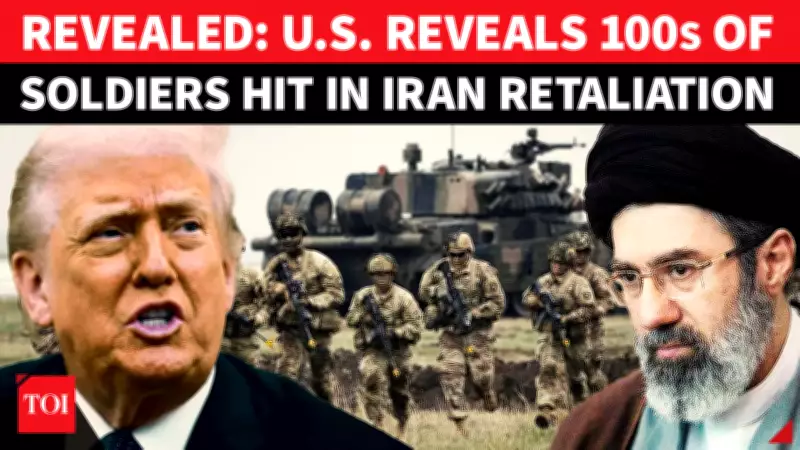
U.S. Revises Iran Conflict Casualties: 415 Troops Hit in Gulf Retaliation
The true human cost of Operation Epic Fury is becoming increasingly clear as the conflict in the Gulf region intensifies. U.S. Central Command has officially revised its casualty figures, confirming that 415 American service members have been caught in the crossfire since hostilities began on February 28. This significant toll includes 13 reported fatalities, highlighting the escalating violence in the strategic waterway.
Ceasefire Deadline Looms Amid Stalled Diplomacy
These updated casualty numbers emerge at a particularly volatile moment in the conflict. The Pakistan-brokered ceasefire, which has provided a fragile pause in fighting, is set to expire in just two days. High-level diplomatic talks in Islamabad recently concluded without reaching a new agreement, leaving the region on the brink of a potential return to full-scale hostilities.
Vice President J.D. Vance has signaled that Washington's "best offer" is already on the table, suggesting limited room for further negotiation. This diplomatic impasse comes as:

- Military tensions continue to simmer across the Gulf region
- Both sides maintain defensive postures
- International observers express growing concern about regional stability
Regional Implications and Military Readiness
The revised casualty figures underscore the ongoing risks to U.S. military personnel deployed in the Gulf. Operation Epic Fury, which began in late February, has seen:
- Multiple engagements between U.S. and Iranian forces
- Retaliatory strikes following initial confrontations
- Increased naval activity in critical shipping lanes
Military analysts note that the 415 affected service members represent a substantial portion of deployed forces, raising questions about operational readiness and force protection measures. The conflict has already prompted adjustments to U.S. military posture in the region, with additional assets being positioned to respond to potential escalations.
Diplomatic Challenges and International Response
The stalled talks in Islamabad reflect broader diplomatic challenges in resolving the Iran-U.S. confrontation. Key obstacles include:
- Diverging interpretations of ceasefire terms
- Disagreements over military de-escalation measures
- Broader geopolitical considerations involving regional allies
International organizations have called for renewed diplomatic efforts to prevent further loss of life. The United Nations and other mediators continue to work behind the scenes, though progress remains elusive as the ceasefire deadline approaches.
As the situation develops, military commanders are preparing for multiple scenarios while diplomats race against time to find a peaceful resolution. The coming days will be critical in determining whether the region descends into renewed conflict or finds a path toward sustainable de-escalation.






