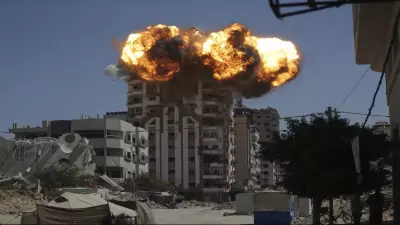
In a significant escalation of its long-standing pressure campaign, the United States conducted a covert operation in Venezuela in early January 2026. This action marked a dramatic turn in the efforts by the administration of then-President Donald Trump to remove the country's authoritarian leader, Nicolas Maduro, from power.
The Build-Up and The Operation
The operation, which took place on 05 January 2026, was not an isolated event. It was the culmination of a monthslong campaign spearheaded by the Trump White House. This campaign involved intense diplomatic pressure, severe economic sanctions, and support for opposition figures, all aimed at destabilising Maduro's grip on the South American nation.
While precise operational details remain classified, the move represents the most direct and risky intervention by the US in Venezuelan affairs in recent years. The timing, coming in the final days of Trump's presidency as noted in reports from the International New York Times, added a layer of political complexity to the event.

Legal and International Ramifications
The action immediately sparked a fierce global debate, raising profound questions about its legality under international law. Critics and legal experts have argued that such an intervention on foreign soil, without explicit UN mandate or invitation from a universally recognised government, violates core principles of national sovereignty.
The operation has further polarised the international community's stance on Venezuela. While some nations supportive of the US agenda may view it as a necessary step against an authoritarian regime, others, including allies of Maduro and nations cautious of US interventionism, have condemned it as an unlawful act.
Implications for the Region and Beyond
The consequences of this operation are likely to be far-reaching for Venezuela and the broader South American region. Key potential outcomes include:
- Deepened Political Crisis: The move could exacerbate Venezuela's internal divisions, potentially leading to more violence or instability.
- Regional Tensions: Neighbouring countries may face increased refugee flows and geopolitical strain as they navigate their response.
- US Foreign Policy Legacy: This event solidifies the Trump administration's aggressive, unilateral approach to regime change, setting a contentious precedent for future US actions abroad.
Ultimately, the US operation in Venezuela stands as a stark example of the lengths to which the Trump administration was willing to go to achieve its foreign policy objectives. It leaves behind a legacy of legal controversy and a nation whose path to stability appears more complicated than ever.