US Navy to Escort Commercial Vessels in Red Sea Under Certain Conditions
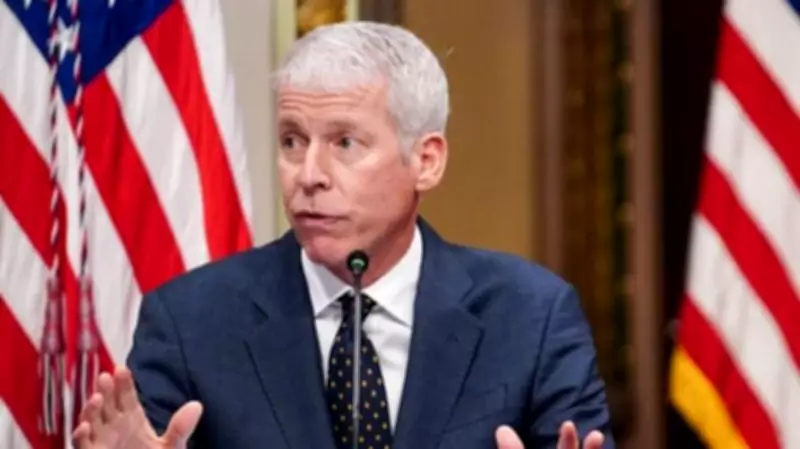
In a significant move to bolster maritime security and stabilize global energy markets, US Energy Secretary Jennifer Granholm has announced that the United States Navy will provide escorts for commercial ships navigating the volatile waters of the Red Sea. This decision comes as a direct response to the escalating attacks by Houthi rebels, which have severely disrupted international shipping lanes and threatened the flow of oil and gas supplies worldwide.
Strategic Response to Houthi Threats
Secretary Granholm emphasized that the Navy's escort operations will be conducted "when reasonable," indicating a measured and strategic approach rather than a blanket policy. This nuanced stance aims to balance the urgent need for protection against the practical constraints of naval resources and operational feasibility. The Houthi attacks, primarily targeting vessels in the Bab el-Mandeb Strait, have not only endangered lives but also caused significant delays and increased costs for energy shipments, impacting economies globally.
The announcement underscores the Biden administration's commitment to safeguarding critical trade routes and ensuring energy security. By deploying naval assets to escort commercial ships, the US aims to deter further aggression and reassure allies and trading partners. This move is part of broader international efforts, including collaborations with regional powers and coalitions, to counter the Houthi menace and maintain open sea lanes.

Implications for Global Energy Trade
The Red Sea is a vital corridor for global energy trade, with millions of barrels of oil and liquefied natural gas (LNG) passing through daily. The disruption caused by Houthi attacks has led to rerouting of ships around the Cape of Good Hope, adding weeks to voyage times and escalating freight costs. Secretary Granholm highlighted that these disruptions pose a direct threat to energy affordability and stability, particularly for nations reliant on imports from the Middle East.
Industry analysts note that the US Navy's escort initiative could help mitigate these risks by providing a safer passage for tankers and cargo vessels. However, they caution that the effectiveness will depend on the scale and consistency of the escorts, as well as the evolving tactics of the Houthi forces. The Energy Department is working closely with the Department of Defense and international partners to coordinate these efforts and assess threats in real-time.
Broader Geopolitical Context
This development occurs against a backdrop of heightened tensions in the Middle East, with the Houthi rebels claiming their attacks are in solidarity with Palestinians amid the Israel-Hamas conflict. The US has previously conducted airstrikes against Houthi targets in Yemen to degrade their capabilities, but the persistent threat to shipping has necessitated more direct protective measures. Secretary Granholm's statement reaffirms the US role as a global security guarantor, especially in regions critical to energy infrastructure.
Looking ahead, the implementation of naval escorts will require careful planning to avoid escalation and ensure compliance with international maritime laws. The Energy Secretary assured that the US remains committed to diplomatic solutions while taking necessary actions to protect economic interests. This proactive stance is expected to influence global energy policies and encourage other nations to contribute to maritime security efforts in the Red Sea and beyond.