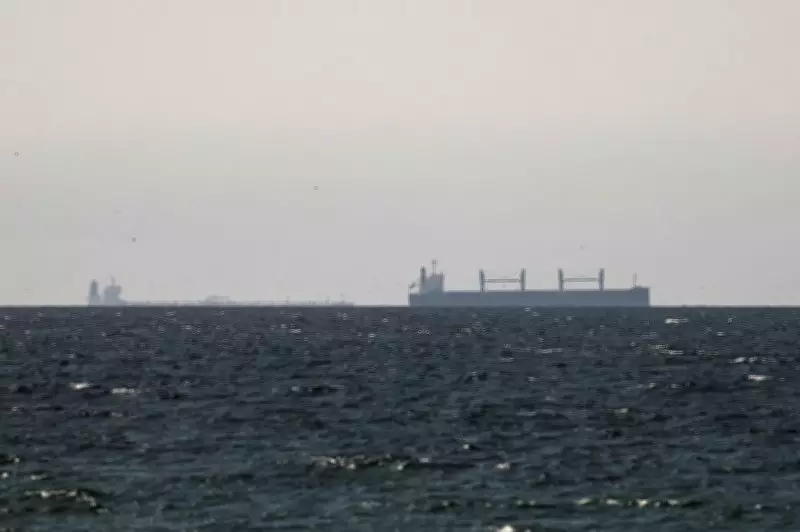
US Navy Weighs Armed Escort for Commercial Vessels in Strait of Hormuz
The United States Navy is actively considering a significant escalation in its maritime security posture by potentially providing armed escorts for commercial ships transiting the Strait of Hormuz. This strategic waterway, a narrow passage between the Persian Gulf and the Gulf of Oman, is one of the world's most vital chokepoints for global oil shipments, handling approximately one-fifth of the world's petroleum consumption.
Heightened Regional Tensions Prompt Reevaluation
The deliberation comes amid escalating tensions in the Middle East, particularly involving Iran and its proxies. Recent incidents, including attacks on merchant vessels and heightened military posturing, have raised alarms about the safety of maritime trade routes. The US Navy's potential move aims to deter hostile actions and ensure the free flow of commerce through this economically critical corridor.
This initiative reflects a broader US commitment to maintaining open sea lanes and countering threats to international shipping. By escorting commercial ships, the Navy would provide a visible deterrent against harassment or seizure, which has been a recurring concern in the region. Such operations would likely involve coordination with allied navies and international partners to bolster collective security efforts.

Implications for Global Trade and Energy Security
The Strait of Hormuz is indispensable for global energy markets, with millions of barrels of oil passing through daily from major producers like Saudi Arabia, Iraq, and the United Arab Emirates. Any disruption here could lead to significant spikes in oil prices and supply chain bottlenecks, impacting economies worldwide.
Escorting ships through this area would not only protect vessels but also signal US resolve in safeguarding international norms. However, it also carries risks of further militarizing the region and potentially provoking confrontations. The Navy's assessment includes evaluating the operational feasibility, resource allocation, and diplomatic ramifications of such escorts.
- Enhanced Deterrence: Armed escorts could dissuade state and non-state actors from targeting commercial traffic.
- Operational Challenges: Sustaining escort missions requires significant naval assets and logistical support.
- Diplomatic Considerations: The move must balance security needs with regional diplomacy to avoid exacerbating tensions.
As the US Navy mulls this option, stakeholders in the shipping and energy industries are closely monitoring developments. The decision will have far-reaching consequences for maritime security protocols and the geopolitical landscape of the Middle East, underscoring the ongoing volatility in this crucial global transit zone.