Maharashtra's Environmental Crisis: Plastic and Sewage Pollution Exposed
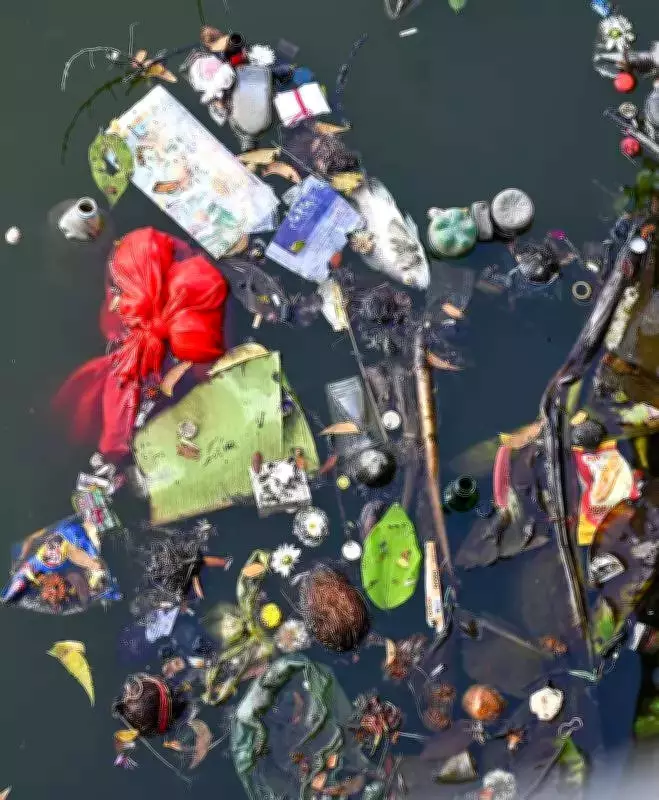
Mumbai: Despite claims of progress in environmental conservation, Maharashtra's latest Economic Survey, tabled in the legislature on Thursday, unveils a stark reality of widespread pollution. The report indicates that nearly one lakh metric tonnes (MT) of plastic waste and almost half of the sewage generated in the state continue to contaminate land, rivers, and coastal waters, posing significant environmental and health risks.
Plastic Waste Management Challenges
According to the survey, the sharp rise in non-biodegradable plastic waste, coupled with inadequate collection, segregation, and disposal systems, is causing serious concerns. In the last fiscal year, Maharashtra used approximately 5.5 lakh MT of plastic, but only 4.4 lakh MT could be collected for recycling. This leaves nearly one lakh MT unaccounted for, which is believed to have ended up polluting landfills, rivers, or coastal areas.
Despite enforcement measures under the Maharashtra Plastic and Thermocol Product (Manufacture, Usage, Sale, Transport, Handling and Storage) Notification, 2018, violations persist. During 2025–26, authorities inspected 2.81 lakh establishments, seized 929 MT of banned plastic, and recovered Rs 6.59 crore in penalties from 15,383 establishments for using banned plastic and thermocol products.

The survey notes that improper waste management remains a key challenge. Currently, Maharashtra has 513 material recovery facility centres across 430 urban local bodies, where dry waste such as plastic, paper, iron, and electronic waste is segregated for recycling. Additionally, the state hosts 353 plastic recycling industries with a combined annual capacity of 19.99 lakh MT.
Water Pollution: A Major Concern
Water pollution is another critical environmental issue highlighted in the report. Only 51.4% of the sewage generated in Maharashtra is treated, meaning nearly half of the wastewater flows untreated into rivers, lakes, and other water bodies. The state currently operates 171 sewage treatment plants (STPs) with a combined treatment capacity of 7,335 million litres per day (MLD). However, the gap between sewage generation and treatment capacity results in large volumes of untreated wastewater entering natural water systems.
The situation is particularly alarming in Mumbai's Mithi river, where faecal coliform levels are nearly 10 times higher than the permissible range, indicating severe contamination. High levels of faecal coliform bacteria typically point to sewage contamination and the presence of disease-causing microorganisms. Environmental experts warn that such contamination drastically reduces dissolved oxygen in water, making it impossible for aquatic ecosystems to survive. The report suggests the river has virtually become a "dead river", with little capacity left to sustain aquatic life.
Water Quality Monitoring and Pollution Sources
Water quality monitoring across Maharashtra reveals worrying trends. The Maharashtra Pollution Control Board (MPCB) monitors water quality under the National Water Monitoring Programme at 272 stations, including 177 river stations, 45 locations in seas, creeks, and drains, and 50 groundwater sources. Among these, 144 stations have recorded biochemical oxygen demand (BOD) levels below permissible limits, while the remaining stations show signs of pollution.
Biochemical Oxygen Demand (BOD) is a critical indicator of water quality, measuring the oxygen required by microorganisms to break down organic waste. Higher BOD levels indicate greater pollution, reducing dissolved oxygen and threatening fish and other aquatic life. The survey identifies industrial effluents, sewage discharge, and agricultural runoff containing fertilisers and pesticides as major contributors to water pollution in the state. Such pollution not only damages ecosystems but can also lead to waterborne diseases and soil degradation.

Conservation Efforts and Initiatives
To address these issues, Maharashtra is implementing several initiatives under the Water (Prevention and Control of Pollution) Act, 1974, along with river and lake conservation programmes. Under the State Lake Conservation Scheme, 207 lake conservation projects have been undertaken across the state till December 2025 to restore degraded lakes. Efforts to clean polluted river stretches are also underway through the National River Action Plan and the State River Conservation Scheme, focusing on intercepting sewage, diverting wastewater, and building treatment plants.
Significant funds have been allocated for river restoration. In Pune, the state has spent ₹843.98 crore on cleaning the Mula-Mutha river till December 2025, while ₹6.92 crore has been spent under the Namami Chandrabhaga Mission for the conservation of the Chandrabhaga river.
The survey also highlights progress under the Majhi Vasundhara Abhiyaan, which over the past five years has led to:
- Planting of 456.59 lakh trees
- Creation of 53,942 green areas
- Generation of 307.52 MW of renewable energy
- Rejuvenation of 3,487 water sources
- Avoidance of 8 lakh tonnes of carbon emissions
Despite these efforts, the survey underscores the urgent need for enhanced measures to tackle the persistent pollution challenges in Maharashtra, ensuring a healthier environment for future generations.