Top US and Israeli Military Leaders Convene at Pentagon Amid Heightened Regional Tensions
In a significant development underscoring the deepening strategic partnership between the United States and Israel, senior military officials from both nations held a high-level meeting at the Pentagon. This crucial gathering comes at a time of escalating tensions with Iran, which have raised serious concerns about regional stability and security across the Middle East.
Strategic Dialogue Focuses on Coordinated Response to Iranian Threats
The meeting brought together top generals to discuss a range of pressing security issues, with a primary focus on the growing threats posed by Iran. Discussions centered on enhancing military coordination, intelligence sharing, and joint operational planning to address potential escalations. Both sides emphasized the importance of a unified approach to deterrence and defense, reflecting their shared commitment to countering Iranian influence and activities in the region.
General Charles Q. Brown Jr., Chairman of the US Joint Chiefs of Staff, led the American delegation, highlighting the Pentagon's prioritization of this strategic alliance. The Israeli side was represented by senior military figures, underscoring the operational nature of the talks. This meeting follows a series of recent incidents involving Iran-backed groups and ongoing diplomatic efforts to manage the volatile situation.

Context of Escalating Iran Tensions and Regional Implications
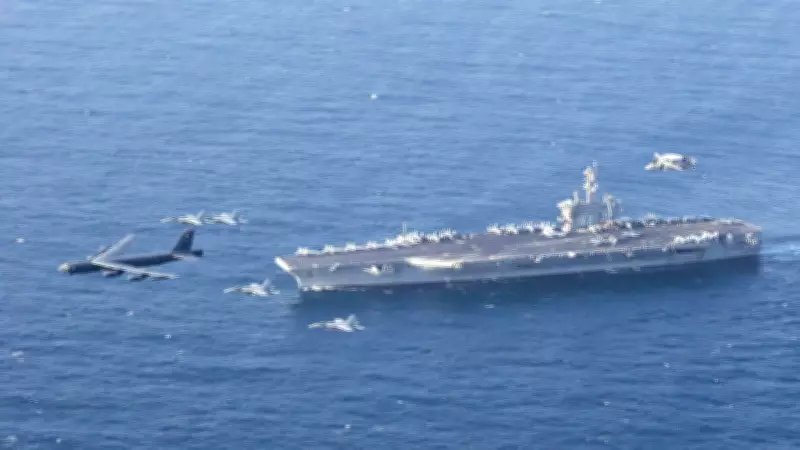
The timing of this Pentagon meeting is particularly noteworthy, as it occurs against a backdrop of soaring tensions between Iran and the international community. Recent months have seen increased military posturing, proxy conflicts, and diplomatic standoffs, raising fears of a broader confrontation. The US and Israel have both expressed grave concerns about Iran's nuclear program, missile capabilities, and support for militant groups across the Middle East.
Key points addressed during the discussions included:
- Assessment of current Iranian military activities and potential flashpoints.
- Coordination on air defense systems and missile threat mitigation.
- Strategies to counter Iran's regional proxies and asymmetric warfare tactics.
- Planning for contingency scenarios and rapid response mechanisms.
This high-stakes dialogue at the Pentagon underscores the critical role of military-to-military cooperation in managing complex security challenges. As tensions with Iran continue to simmer, such meetings are vital for aligning strategies, building trust, and ensuring preparedness for any eventualities. The outcomes of these talks are expected to influence future defense postures and diplomatic engagements in the region, with both nations reaffirming their commitment to a stable and secure Middle East.