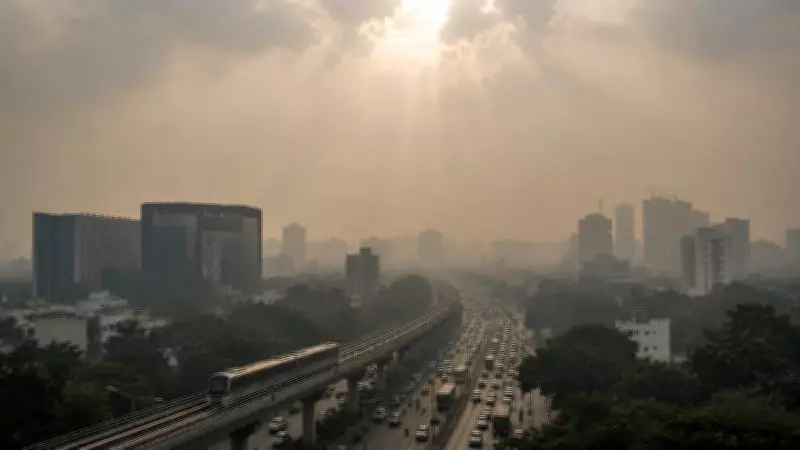
A new study has found that toxic ozone levels made Bengaluru's air unsafe this summer, with citizens breathing polluted air for nearly two-thirds of the day. The research highlights prolonged ozone exposure lasting 16 hours daily, posing serious health risks.
Study Details and Findings
Conducted by environmental experts, the study analyzed air quality data from monitoring stations across Bengaluru during the summer months of 2026. Results showed that ground-level ozone concentrations frequently exceeded safe limits, particularly during afternoon and early evening hours. The city recorded an average of 16 hours per day with elevated ozone levels, meaning residents were exposed to toxic air for 66% of the day.
According to the lead researcher, Dr. Ananya Sharma, "The persistent high ozone levels are alarming because ozone is a powerful oxidant that can cause respiratory issues, aggravate asthma, and lead to long-term lung damage." The study attributes the spike to a combination of vehicle emissions, industrial pollution, and intense sunlight, which triggers chemical reactions forming ozone.

Health and Environmental Impact
Prolonged exposure to ozone can cause chest pain, coughing, throat irritation, and reduced lung function. Vulnerable groups, including children, the elderly, and those with pre-existing conditions, are at higher risk. The study also notes that ozone damages vegetation, reducing crop yields and affecting urban greenery.
Environmental activist Rajesh Kumar commented, "This is a wake-up call for policymakers. We need stricter emission norms and better public transport to curb pollution." The study recommends immediate measures such as promoting electric vehicles, enhancing green cover, and issuing health advisories during peak ozone hours.
Call for Action
The findings have sparked demands for urgent action from the Karnataka State Pollution Control Board. Officials have promised to review the data and implement short-term solutions, including traffic management and industrial regulations. However, experts emphasize that long-term strategies are essential to prevent recurring toxic summers.