US House Votes to End Brief Government Shutdown, Sends Funding Bill to President Trump
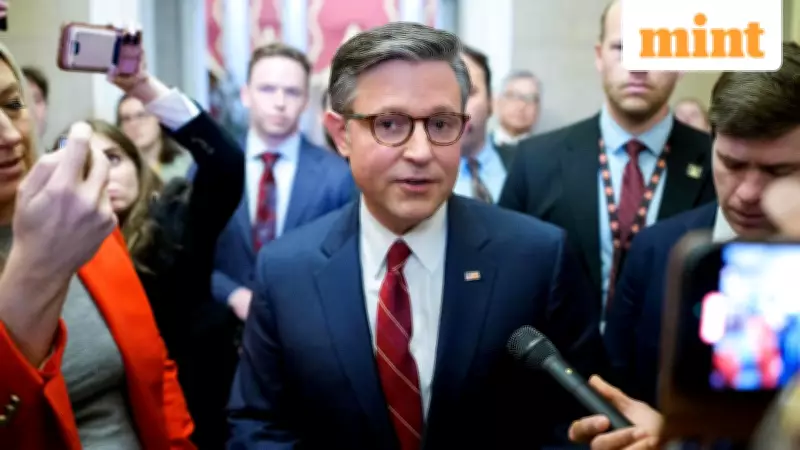
The United States House of Representatives has taken decisive action to resolve a brief federal government shutdown, passing a crucial funding package with a narrow vote of 217 to 214 on Tuesday, February 3, 2026. This legislative move effectively brings an end to the government shutdown that commenced on Saturday, January 31, providing much-needed stability to federal operations.
Bill Cleared for Presidential Signature
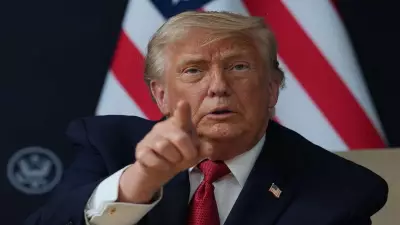
The approved legislation now advances to President Donald Trump, who has publicly committed to signing it "immediately" upon receipt. This swift action is expected to restore normal functioning across numerous federal departments and agencies that were impacted by the brief lapse in funding.
The comprehensive spending bill successfully funds eleven out of the twelve annual appropriations bills, ensuring continuous operation for most federal agencies through the remainder of the fiscal year ending September 30. This long-term funding provision brings certainty to government operations and prevents further disruption to public services.

DHS Funding Remains Temporary Amid Immigration Debates
However, one significant exception exists within this funding package. The Department of Homeland Security (DHS) has received only temporary funding authorization through February 13, 2026. This short-term extension was deliberately separated from the broader funding legislation to allow additional time for negotiations concerning immigration enforcement policies.
Intense Negotiations Over Immigration Enforcement
The decision to provide temporary DHS funding reflects ongoing intense debates within Congress regarding immigration reform. House lawmakers agreed to this two-week extension, creating a critical ten-day window for bipartisan negotiations on comprehensive DHS funding and immigration policy before the February 13 deadline arrives.
This compromise emerged after Democratic lawmakers refused to support full-year DHS funding without substantive changes to policies governing Immigration and Customs Enforcement (ICE) and Customs and Border Protection (CBP). The political impasse intensified following widespread criticism of federal immigration enforcement practices, particularly after two US citizens were fatally shot by federal agents in Minneapolis.
The temporary funding arrangement represents a delicate balance between maintaining essential homeland security operations and addressing legitimate concerns about immigration enforcement methodologies. As Congress enters this negotiation period, all eyes will be on whether lawmakers can reach a broader agreement that satisfies both security priorities and humanitarian considerations.
This development underscores the ongoing challenges in US governance, where fiscal responsibilities intersect with complex policy debates. The narrow House vote margin of just three votes highlights the deeply divided nature of contemporary American politics, particularly on issues involving immigration and national security funding.