US Orders Diplomatic Evacuation from Pakistan Amid Regional Security Crisis
The United States government has taken decisive security measures by ordering non-emergency personnel to evacuate from its diplomatic facilities in Pakistan. This significant development comes as tensions continue to escalate across the Middle East following Iranian retaliation against coordinated US-Israeli military strikes.
Immediate Evacuation from Karachi and Lahore Consulates
On Wednesday, the US State Department directed all non-emergency government employees and their family members stationed at American consulates in Karachi and Lahore to depart Pakistan immediately. The official statement cited "safety risks" as the primary reason for this urgent evacuation order. The US embassy in Islamabad clarified that this directive specifically applies to the consular facilities in Karachi and Lahore, while the main embassy in Islamabad continues to operate normally without any changes to its operational status.
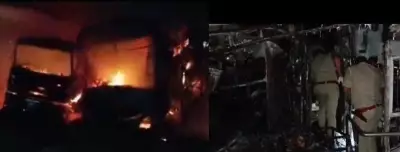
The evacuation decision follows violent protests that erupted across Pakistan over the weekend in response to US-Israeli strikes against Iran. According to verified reports, at least 25 people lost their lives during these demonstrations. The security situation became particularly concerning when hundreds of protesters attempted to storm the US consulate in Karachi, Pakistan's largest and most populous city, highlighting the immediate threats facing American diplomatic personnel.

Expanded Regional Travel Advisory and Evacuations
The State Department has significantly expanded its security precautions across the broader Middle East region. In addition to the Pakistan evacuation, US authorities have authorized non-emergency government employees and their families to depart from Saudi Arabia, Oman, and Cyprus. Washington has simultaneously issued travel advisories urging American citizens to reconsider any planned travel to these three countries.
The inclusion of Cyprus in these security measures has drawn particular attention, as the island nation represents a European Union member state within the affected region. This precautionary move follows an incident where Iranian-made drones, believed to have been launched by Iran-backed Hezbollah forces in Lebanon, targeted a British military base located in Cyprus.
US Secretary of State Marco Rubio engaged in diplomatic discussions with Cypriot Foreign Minister Constantinos Kombos on Wednesday, during which both officials reaffirmed the strong partnership between their nations. State Department spokesman Tommy Pigott confirmed that the conversation focused on regional security concerns and cooperative measures.
Security Incidents and Evacuation Preparations
The security landscape has deteriorated further with confirmed attacks against American facilities in the region. In Saudi Arabia, a drone attack caused significant damage to the US embassy located in the capital city of Riyadh, amplifying security concerns for American personnel throughout the Middle East.
In response to these escalating threats, the State Department has initiated preparations for charter flights to evacuate American citizens from affected areas. This evacuation planning has become increasingly necessary as commercial flight operations across the region have been severely disrupted by the ongoing military conflict and security instability.
Origins of the Regional Crisis
The current regional crisis originated on Saturday when the United States and Israel launched coordinated military strikes against Iran. These attacks resulted in the death of Iran's supreme leader, Ayatollah Ali Khamenei. Notably, these strikes occurred just two days after US envoys had conducted diplomatic talks with Iranian officials in Geneva regarding a potential nuclear agreement, representing a dramatic escalation in tensions.
Since the initial strikes, Iran has expanded its retaliation through a series of missile and drone attacks targeting multiple locations across the Middle East. These retaliatory actions have raised serious concerns among international observers about the potential for broader regional escalation and the possibility of a wider military conflict involving multiple nations.

The evacuation of American diplomatic personnel from Pakistan represents one of the most visible consequences of this escalating crisis, highlighting how regional tensions can quickly affect diplomatic operations and international relations across multiple countries.