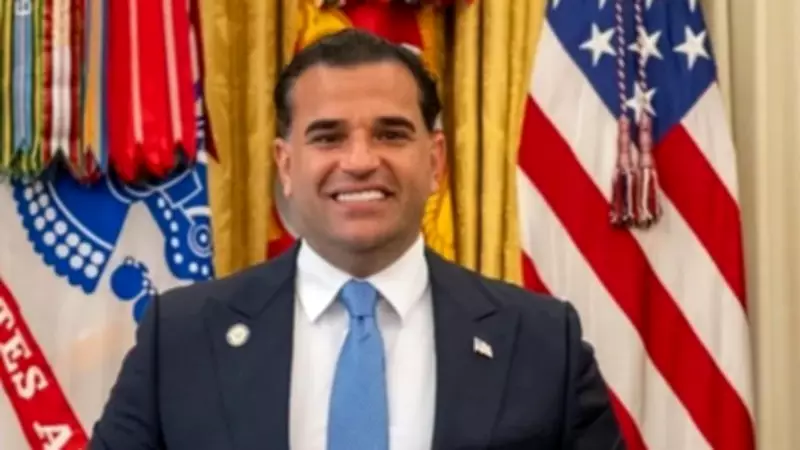
US Special Envoy for Iraq Mark Savaya Steps Down from Key Diplomatic Position
In a significant development in American foreign policy, Mark Savaya, the US Special Envoy for Iraq, is no longer serving in his role, as confirmed by multiple sources familiar with the matter. This departure marks a notable shift in the diplomatic landscape concerning US-Iraq relations, which have been under close scrutiny in recent years.
Details of the Departure and Its Implications
The news of Savaya's exit from the post comes without an immediate announcement of a successor, raising questions about the continuity of US diplomatic efforts in Iraq. Sources indicate that the change was communicated internally, but the exact reasons for his departure remain undisclosed at this time. This move could potentially impact ongoing negotiations and strategic partnerships between the United States and Iraq, a country that has been a focal point of US foreign policy in the Middle East.
Mark Savaya had been instrumental in overseeing various aspects of US engagement with Iraq, including:

- Facilitating dialogue on security cooperation and counter-terrorism initiatives.
- Managing economic and humanitarian aid programs aimed at stabilizing the region.
- Coordinating with international allies to support Iraq's political and social development.
His tenure saw efforts to strengthen bilateral ties, but challenges such as regional instability and internal political dynamics in Iraq have persisted. The timing of this change is particularly noteworthy, as it occurs amidst broader geopolitical shifts and evolving US priorities in the Middle East.
Context and Broader Diplomatic Landscape
The role of the US Special Envoy for Iraq is critical in navigating complex issues, from security threats to economic partnerships. Savaya's departure may signal a reassessment of US strategy in the region, potentially aligning with new administrative directions or policy adjustments. Experts suggest that this could lead to:
- A renewed focus on diplomatic engagement with Iraqi leadership to address ongoing conflicts.
- Potential changes in US aid and investment strategies aimed at fostering stability.
- Increased collaboration with regional partners to counter common threats.
While the immediate impact of this personnel change is yet to be fully realized, it underscores the dynamic nature of international diplomacy. The United States has historically maintained a strong presence in Iraq, and any alteration in key diplomatic positions is likely to be closely monitored by global observers and stakeholders.
In summary, the departure of Mark Savaya as US Special Envoy for Iraq represents a pivotal moment in US-Iraq relations. As sources confirm his exit, the focus now shifts to how the Biden administration will fill this crucial role and steer future engagements in a region marked by both opportunity and challenge.