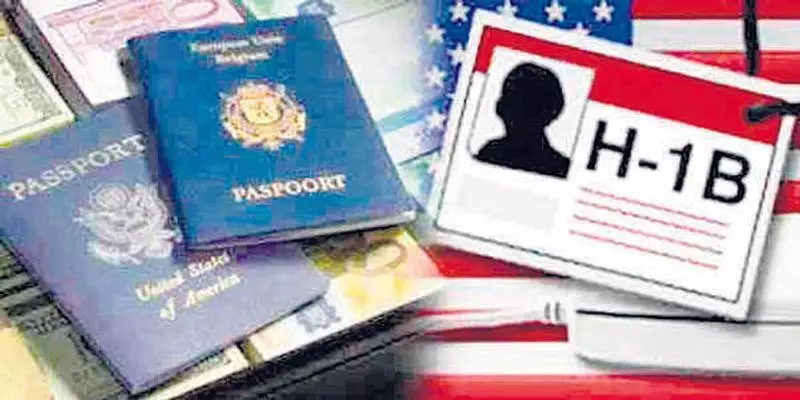
The United States Embassy in India has issued a crucial clarification regarding the visa application process for highly skilled foreign workers and their families. Officials have confirmed that security vetting for all H-1B and H-4 visa applicants is conducted on a global scale. This statement aims to address widespread inquiries and concerns from applicants, particularly from India, which is a major source of these visa categories.
Understanding the Global Vetting Process
This clarification came directly from a spokesperson for the US Embassy and Consulates in India. The core message is that the security checks for these visas are not limited to a specific embassy or consulate. Instead, the vetting process is a worldwide, centralized procedure managed by US government systems. This means an application filed in New Delhi, Chennai, or any other post undergoes the same rigorous background checks as one filed anywhere else in the world.
The embassy emphasized that this global approach is standard protocol. It is designed to ensure consistency and thoroughness in the adjudication of every H-1B (for specialty occupation workers) and H-4 (for their dependents) visa case. The process involves cross-referencing applicant information with various security databases.

Implications for Indian Applicants and Families
This announcement holds significant weight for the large community of Indian professionals and their families seeking work and opportunities in the United States. India consistently receives the highest number of H-1B visas annually, making this clarification especially relevant. Applicants often experience anxiety over processing times and the reasons behind delays.
By stating that vetting is "global," the embassy indirectly explains that local consular officers do not have unilateral control over the security clearance timeline. A delay in one application could be due to checks being coordinated with agencies worldwide, not because of the specific post where the interview was conducted. This transparency is intended to manage expectations.
The H-4 visa, granted to spouses and children of H-1B holders, is tied to the principal applicant's status. Therefore, its processing is inherently linked to the H-1B petition's approval and the subsequent security vetting of the entire family unit.
Navigating the Visa Application Journey
While the embassy clarified the vetting scope, it reiterated that the standard advice for applicants remains unchanged. Prospective visa holders are encouraged to apply well in advance of their intended travel date to account for processing times, which can vary based on individual circumstances and the comprehensive global checks.
The statement also serves as a reminder of the complex, multi-layered nature of US immigration security. It underscores that the final decision on any visa rests on a full review of the application, supporting documents, interview performance, and the completed background vetting.
For the Indian tech community and other professionals, this news reinforces the need for meticulous preparation. Ensuring all paperwork is accurate and complete can help streamline the initial stages, though the global security vetting phase is a mandatory step that follows its own timeline.
In summary, the US Embassy's clarification demystifies a part of the often-opaque visa process. It confirms that delays are typically systemic and security-driven rather than post-specific, offering a measure of understanding to thousands of applicants awaiting decisions on their future in the United States.