US Congressman's Remarks on Dallas Area Spark National Debate
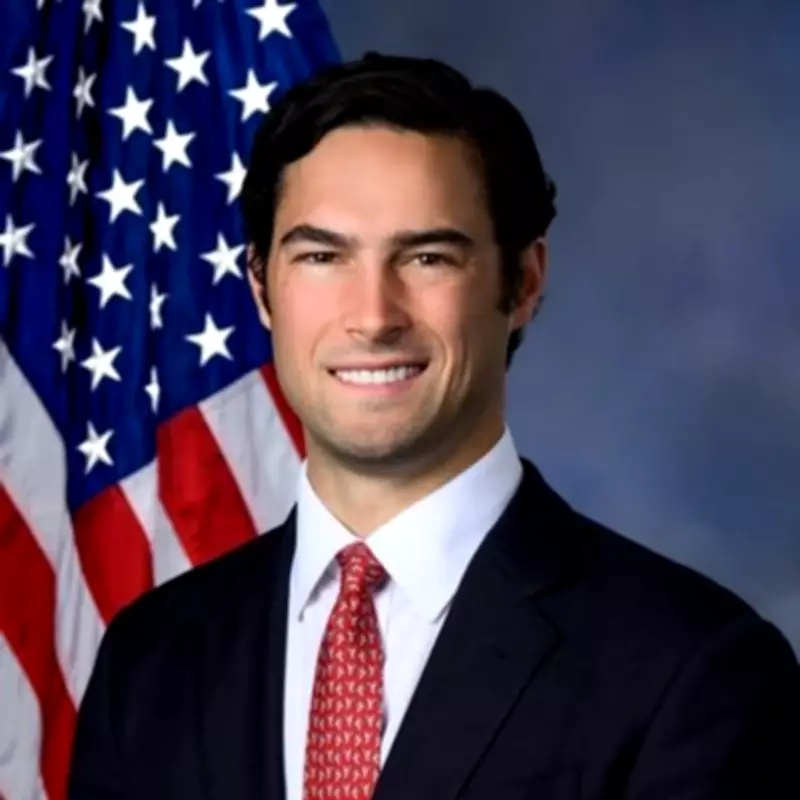
A United States Congressman has ignited a firestorm of controversy with recent comments alleging the "Islamisation" of a specific area in Dallas, Texas, drawing a direct comparison to the atmosphere in Pakistan. The remarks, made during a public address, have rapidly circulated across media platforms, triggering intense discussions about religious freedom, cultural assimilation, and the political rhetoric surrounding minority communities in America.
Controversial Comparison to Pakistan
In his statement, the Congressman explicitly stated that upon visiting the Dallas locality, it "feels like you're in Pakistan, not in Dallas." This analogy has been widely interpreted as a critique of what he perceives as an overwhelming Islamic influence altering the cultural and social fabric of the area. The comments come at a time of heightened sensitivity regarding immigration and religious diversity in the United States, with critics accusing the politician of fostering division and Islamophobia.
Supporters of the Congressman argue that his words highlight legitimate concerns about the preservation of American values and the pace of cultural integration. They contend that the observation is not inherently anti-Muslim but rather a commentary on the visible changes in community dynamics, including signage, dress, and public practices that reflect Islamic traditions.

Reactions from Community Leaders and Advocacy Groups
Local Muslim leaders and civil rights organizations in Dallas have vehemently condemned the remarks, labeling them as inflammatory and misrepresentative. They emphasize that the area in question is a vibrant, multicultural hub where residents of various faiths coexist peacefully. Advocacy groups point out that such statements can stigmatize Muslim Americans and fuel discrimination, undermining efforts toward inclusivity and mutual respect.
In response, community activists have organized forums and dialogues to address the fallout, promoting interfaith understanding and countering narratives of alienation. The incident has also prompted calls for political leaders to exercise greater responsibility in their public discourse, particularly on issues involving religion and ethnicity.
Broader Implications for US Politics and Society
This episode underscores the ongoing tensions in American politics regarding immigration, religion, and national identity. Analysts note that the Congressman's comments reflect a broader trend of polarizing rhetoric that often surfaces during election cycles or policy debates on related topics. The comparison to Pakistan, a nation with a distinct socio-political context, has been criticized as an oversimplification that ignores the complexities of both American and Pakistani societies.
As the story gains traction, it raises questions about the balance between free speech and the potential harm of divisive language. The debate is likely to influence upcoming political campaigns and legislative discussions, with implications for how religious minorities are perceived and treated in the United States.
In summary, the Congressman's assertion about the "Islamisation" of a Dallas area, likening it to Pakistan, has become a flashpoint in national conversations about diversity, integration, and the role of political rhetoric in shaping public opinion. The controversy highlights the delicate interplay between cultural expression and communal harmony in a pluralistic society.