US Prepares $12 Billion Critical Minerals Stockpile to Reduce China Dependence
The United States is gearing up to launch a massive $12 billion critical minerals stockpile initiative aimed at significantly reducing its reliance on China for rare earths and other strategic resources. According to a White House official, this move comes as Washington intensifies efforts to secure supply chains for key industries, with the project expected to combine approximately $1.7 billion in private capital with a substantial $10 billion loan from the Export-Import Bank of the United States (EXIM).
Strategic Response to China's Dominance
Rare-earth metals have gained tremendous strategic importance in recent years, particularly after China—the dominant global supplier—imposed export restrictions last year. These actions heightened supply chain concerns across Western economies and underscored the vulnerability of global manufacturing to geopolitical tensions. China's comprehensive dominance across the entire rare earth value chain, spanning mining, processing, and advanced materials innovation, has been built through decades of sustained industrial policy, giving Beijing significant leverage in global trade negotiations.
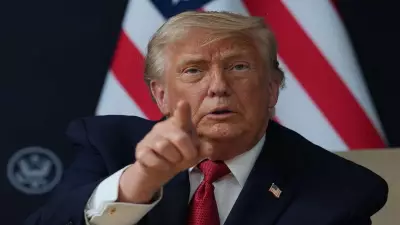
The proposed stockpile, which is expected to be announced by President Donald Trump, aims to gradually offset this Chinese advantage and stabilize access to critical materials for American manufacturers. This initiative represents a strategic response to what many policymakers view as an over-reliance on a single source for materials essential to national security and economic competitiveness.

Project Vault: A Comprehensive Approach
Dubbed "Project Vault," this ambitious program could involve participation from more than a dozen major companies across multiple sectors. Reports indicate that automakers General Motors and Stellantis, aerospace giant Boeing, and technology firm Alphabet-owned Google are among the potential participants in this groundbreaking initiative.
The stockpile is specifically designed to support private-sector demand by ensuring reliable access to minerals vital for manufacturing a wide range of products. These include everything from smartphones and electric vehicles to advanced military equipment and renewable energy technologies. The program is expected to cover not just rare earths but also other critical minerals and strategic elements that are particularly prone to supply disruptions and price volatility.
Financing and Implementation Timeline
The EXIM Bank is expected to vote on authorizing the proposed 15-year loan for this project, which could become one of the largest financing deals of its kind in recent memory. This substantial financial commitment reflects the strategic importance the United States places on securing its critical mineral supply chains.
The move comes amid renewed trade tensions between the United States and China following the reintroduction of tariffs after Trump returned to the presidency last year. These escalating tensions have accelerated efforts by the US and its allies to invest in alternative mining and processing supply chains, though industry experts caution that building fully diversified supply networks could take several years to achieve meaningful results.
Broader Geopolitical Context
This initiative represents part of a broader strategic shift as Western nations increasingly recognize the security implications of concentrated supply chains for critical materials. The United States and its allies are now actively working to reduce strategic dependence on China through coordinated investments in alternative sources and processing capabilities.
The critical minerals stockpile program marks a significant step in this direction, combining government resources with private sector expertise to create a more resilient supply chain infrastructure. As global competition for strategic resources intensifies, such initiatives are likely to become increasingly important for maintaining technological leadership and national security in an increasingly complex geopolitical landscape.