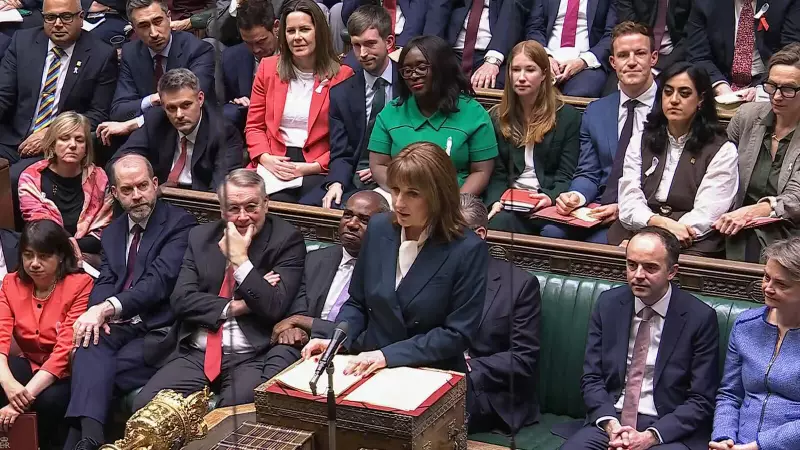
In a significant move aimed at reshaping the British economy, UK Finance Minister Rachel Reeves presented the 2025 budget on Wednesday, November 26, 2025. The Chancellor of the Exchequer outlined a comprehensive plan featuring substantial tax increases alongside major welfare reforms, promising to combat inflation and deliver immediate relief to families across the nation.
Reeves described her fiscal strategy as a budget for fair taxes, strong public services, and a stable economy, telling Parliament that she was committed to cutting the cost of living. The independent Office for Budget Responsibility estimates these tax measures will raise an additional £26.1 billion annually by the 2029/30 financial year.
Key Tax Reforms and Economic Measures
The budget introduces a new fiscal landscape for the United Kingdom, with several targeted tax increases. The government will raise taxes on property, dividend, and savings income, arguing that these sources have not been subject to contributions equivalent to National Insurance. However, existing allowances will remain to protect individuals with low to middle incomes from these changes.

In a move affecting millions of taxpayers, income tax thresholds and National Insurance contribution thresholds will be frozen at their current levels for an additional three years, from April 2028 to April 2031. Similarly, inheritance tax thresholds will be maintained until April 2031.
The budget also targets specific sectors and luxury goods. A new High Value Council Tax Surcharge (HVCTS) will be imposed on properties valued over £2 million starting in April 2028, which is projected to raise £400 million in the 2029-30 financial year. Furthermore, from April 2028, electric and plug-in hybrid vehicle owners will face a new pay-per-mile tax, ensuring all drivers contribute to road maintenance based on usage.
In a boost for the financial sector, new listings on the London Stock Exchange will be exempt from the 0.5% stamp duty for three years, a measure designed to stimulate market activity.
Social Welfare and Public Service Investments
One of the most significant social policy announcements was the scrapping of the controversial two-child limit on welfare payments, effective April 2025. This decision is projected to lift 450,000 children out of poverty, addressing what Reeves described as a punitive measure against vulnerable children.
Simultaneously, the government is taking steps to ease the cost-of-living burden. An average of £150 per year will be removed from energy bills by shifting some green levies to general taxation. Additionally, the National Living Wage will see a significant increase to £12.71 per hour from April, providing full-time workers with an extra £900 annually and benefiting over 2 million people.
The budget also strengthens support for savings, making the Help to Save scheme permanent and expanding its eligibility from April 2028 to include all Universal Credit claimants who receive the child or caring elements.
Healthcare System Strengthening
A substantial portion of the budget is dedicated to revitalising the National Health Service (NHS). NHS prescription charges in England will be frozen in 2026-27, with the cost of a single prescription remaining at £9.90.
The government has committed an additional £300 million in capital investment for NHS technology to enhance productivity and improve patient outcomes. Furthermore, plans are underway to deliver 250 new Neighbourhood Health Centres, with 120 expected to be operational by 2030. Continued investment will also be protected to reduce the waiting list for elective care in England.
Other notable measures include increased taxes on most forms of online gambling from April 2026, projected to raise over £1 billion for public services, while the 10% tax on bingo will be eliminated from next year, recognising it as a safer form of gambling.
This budget represents the first major fiscal statement from the new government, setting a course that prioritises both fiscal responsibility and social support, with immediate and long-term implications for the UK economy and its citizens.