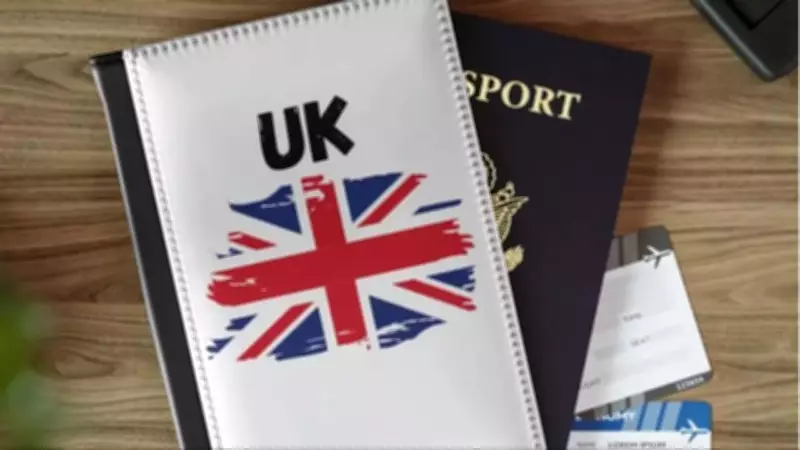
UK Implements Sweeping Border Changes, Complicating Travel for Dual Nationals
From February 25, 2026, the United Kingdom has rolled out comprehensive modifications to its border entry framework, significantly complicating travel arrangements for British citizens who hold dual nationality. This includes individuals residing in the United Arab Emirates and various other global locations. The latest phase of the UK's digital border transformation focuses on the Electronic Travel Authorisation (ETA) scheme alongside new documentation mandates for dual nationals returning to the UK.
This shift has triggered widespread confusion, substantial travel delays, and urgent last-minute passport scrambles among affected travellers. Under the revised regulations, all visitors who previously enjoyed visa-free entry to the UK—including nationals from countries such as the United States, Canada, Australia, and European Union member states—must now secure an ETA prior to their arrival.
What Has Changed for Dual British Citizens?
Historically, many British dual nationals, for instance those holding both British and UAE citizenship or other foreign passports, could simply utilize their non-British passport for travel without special permits. They would then rely on their right of abode at the border. However, this arrangement is no longer permissible under the new procedures.

- British dual nationals can no longer enter the UK using only their foreign passport.
- Instead, they must present either a valid British passport or a Certificate of Entitlement to the Right of Abode to board any flight, ferry, or train destined for the UK.
- Without one of these documents, carriers are legally obligated to refuse boarding, even before travellers reach UK immigration checkpoints.
The Certificate of Entitlement, which attaches to a foreign passport to demonstrate a person's right to enter the UK as a citizen, carries a cost of approximately £589. This is a steep price compared to the relatively inexpensive British passport application, which is around £94.50. Critics contend that these rules effectively treat British dual nationals as foreign travellers in their own country unless they possess the correct documentation. Many argue this situation is discriminatory and has been poorly communicated by authorities.
How Digital Permissions Are Shaping Border Control in the UK
The backbone of the new system is the UK's Electronic Travel Authorisation scheme, which operates somewhat similarly to the USA's ESTA or the EU's upcoming ETIAS system.
- Non-visa-required visitors must obtain an ETA at least before departure, and airlines are now required to verify digital authorisation status before boarding.
- A confirmed ETA is digitally linked to a traveller's passport and remains valid for multiple entries over a defined period, typically two years or until the passport expires.
- British and Irish citizens are exempt from needing an ETA. However, for dual nationals who attempt to travel using only their other nationality passport, there is no mechanism to obtain an ETA, as UK right of entry cannot be proven via that route.
The transition to digital border permissions is part of a broader UK strategy to modernise security and immigration screening, reduce queues at ports of entry, and prevent unauthorised travel. Nevertheless, the rapid implementation and lack of widespread traveller awareness have led to significant operational challenges for many dual nationals.
Impact on British Dual Nationals Abroad, Especially in the UAE
For British nationals who also hold another citizenship and reside overseas, including in the United Arab Emirates—where numerous British expatriates live, work, and travel regularly—the changes have substantial practical repercussions.

- Individuals returning to the UK after extended stays abroad may find themselves unable to board flights if they lack the correct passport documentation.
- Those who have never held a British passport, a common scenario among some children born abroad to British parents, must now apply, potentially facing lengthy processing times and administrative obstacles.
- The Certificate of Entitlement, while an option, is costly and time-consuming to obtain, making last-minute travel plans difficult or impossible without proper preparation.
- Even some expired British passports may be accepted by airlines at their discretion, but there is no guarantee, and travellers could face refused boarding.
Social media platforms and travel forums have been inundated with accounts from British dual citizens who only discovered the new requirements at the airport or while attempting to book flights. Their experiences have highlighted significant gaps in outreach and communication regarding the policy change. The rollout of these modifications has drawn criticism from politicians, advocacy groups, and travellers alike.
The Liberal Democrats and other political figures have urged the UK government to delay or revise the rules, arguing that citizens should not encounter obstacles simply because they hold dual nationality. Some campaigners emphasize deeply personal consequences, ranging from families missing important life events to professionals experiencing travel disruption. They contend that the new rules disproportionately disadvantage dual nationals without adequate transitional measures.
Despite these objections, the UK Home Office maintains that public awareness campaigns have been ongoing since 2023 and that the rules support greater border security and a more efficient, digital travel system. However, the swift enforcement with a limited grace period has exacerbated frustrations.
What Travellers to the UK Need to Do Now
If you hold British citizenship alongside another nationality and plan to travel to the UK from the UAE or elsewhere, consider the following steps:
- Ensure you possess a valid British passport before booking any travel.
- Consider applying for a Certificate of Entitlement if you cannot obtain a passport in time, but be mindful of the cost and processing duration.
- Check carrier and airline requirements meticulously, as no ETA workaround exists for dual nationals.
- Plan ahead, as passport applications from abroad can take several weeks or even months to process.
- Monitor official UK government guidance on GOV.UK for updates regarding digital certificates and transitional arrangements.
From February 25, 2026, the UK has fully enforced its Electronic Travel Authorisation system for visa-exempt travellers, mandating digital clearance before departure. British dual nationals can no longer travel using only their non-British passport and must present a valid British passport or a costly Certificate of Entitlement to board flights to the UK. This rule change has ignited confusion, travel disruption, and political debate, particularly among dual citizens abroad, including those in the UAE. Travellers are strongly advised to verify documentation and prepare well in advance to avoid denied boarding or entry complications.