Trump's Trade War Reversal: A Political Retreat
In a significant policy reversal, US President Donald Trump has rolled back tariffs on essential agricultural imports including coffee, tomatoes, and beef. This dramatic U-turn comes after his aggressive trade strategy triggered widespread inflation and voter anger, forcing Republican leaders to confront the political consequences of economic policies that directly hit American consumers' wallets.
The Inflation Fallout from Tariff Policies
The administration's sweeping tariffs, implemented earlier this year under the guise of a national security emergency, encompassed everything from Christmas toys to running shoes. The economic impact has been stark: year-on-year inflation now runs at approximately 3%, up from 2.4% in March when the tariffs took effect. About half of this increase stems directly from Trump's trade policies affecting core goods like household furnishings, auto parts, and vehicles.
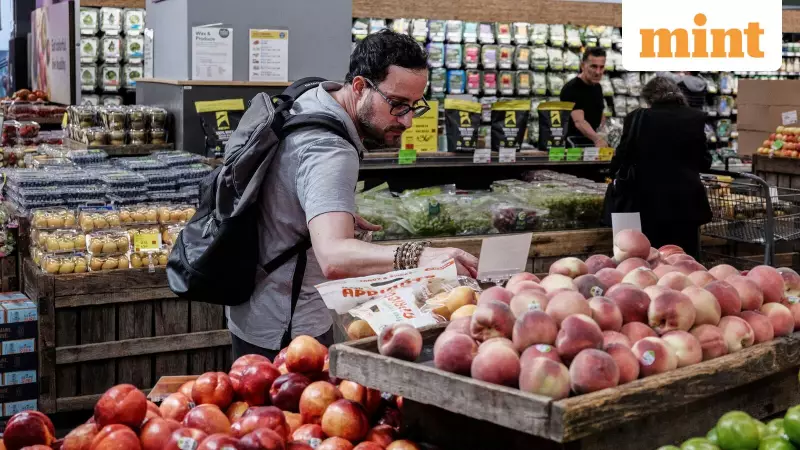
While food prices have seen increases, their contribution to overall inflation has been negligible. However, grocery items carry disproportionate weight in shaping consumer sentiment. As Jonathan Levin notes in his analysis, voters repeatedly return to supermarkets and immediately notice when prices of frequently purchased items rise.

Why Agricultural Tariffs Were Doomed from the Start
The logic behind agricultural tariffs was fundamentally flawed from the beginning. Consider coffee production: Hawaii remains the only US state with major coffee-growing operations, while the bulk of American supplies come from Brazil and Colombia. The specific climate requirements—warm, wet conditions with volcanic soil—make domestic production expansion virtually impossible.
Similarly, tomato tariffs created seasonal crises. While US farms produce tomatoes during summer months, winter supplies depend heavily on imports. Maintaining high tariffs through colder months would have dramatically increased salad prices without benefiting domestic producers.
The timing of Trump's reversal speaks volumes about its political motivation. The order cutting agricultural tariffs came shortly after Democratic victories in gubernatorial elections where affordability concerns dominated voter discussions. This suggests the administration recognized that Republicans were paying a political price for economic policies that strained household budgets.
Legal Challenges and What Comes Next
The administration's use of the International Emergency Economic Powers Act (IEEPA) to implement sweeping tariffs while bypassing Congress now faces Supreme Court scrutiny. Several justices have expressed skepticism about framing trade deficits as national security emergencies, potentially stripping the administration of its broadest tariff-implementation tool.
Even if the legal challenge succeeds, the administration could pursue alternative paths including industry-specific investigations or pressuring Congress for legislative action. While tariffs might remain elevated, future measures would likely follow more rigorous procedures rather than the blanket approach that characterized the initial policy.
Trump's agricultural tariff rollback represents a tacit admission that the policy was flawed from inception. More importantly, it reveals the administration's recognition that economic outcomes ultimately bow to political realities and public perception, especially with American voters increasingly focused on their daily expenses.