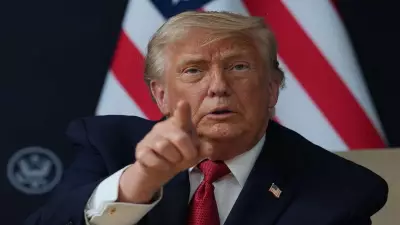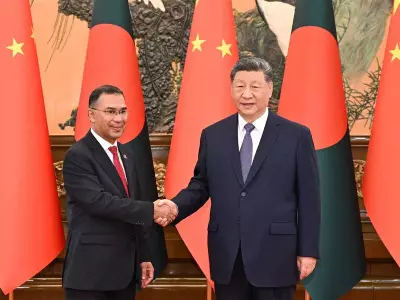
In a development that underscores persistent geopolitical ambitions, former United States President Donald Trump has reiterated his interest in gaining control over Greenland, a move that has been met with a stern warning from the territory's Prime Minister, Múte Bourup Egede. This situation brings to light the complex dynamics of Arctic sovereignty and international relations.
Trump's Renewed Focus on Greenland
Reports indicate that Trump, during his presidency and in subsequent statements, has consistently viewed Greenland as a strategic asset for the United States. His administration previously explored the possibility of purchasing the island from Denmark, citing its vast natural resources and military significance in the Arctic. Despite leaving office, Trump's continued advocacy for this idea suggests it remains a key part of his geopolitical vision, reflecting broader American interests in polar regions.
Prime Minister Nielsen's Firm Response
In response to these ongoing assertions, Prime Minister Múte Bourup Egede, often referred to by his surname Nielsen in some contexts, has issued a clear warning. He emphasized that Greenland is not for sale and that its people are committed to self-determination and autonomy under the Kingdom of Denmark. Nielsen's statement serves as a reminder of the island's sovereignty and the importance of respecting local governance and indigenous rights in such discussions.

Geopolitical Implications in the Arctic
The Arctic region has become a focal point for global powers due to its untapped resources, such as oil and minerals, and its strategic shipping routes opened by climate change. Trump's interest in Greenland aligns with US efforts to counter influence from rivals like Russia and China in this area. However, this ambition clashes with the aspirations of Greenlanders, who are seeking greater independence and control over their own affairs.
Historical Context and Future Outlook
Historically, Greenland has been a Danish territory since the 18th century, with increasing autonomy in recent decades. The idea of US acquisition dates back to the 19th century but gained traction under Trump. As climate change accelerates, the stakes in the Arctic are rising, making such geopolitical maneuvers more contentious. Moving forward, this issue is likely to remain a point of tension, influencing diplomatic relations and regional stability.
In summary, Trump's unwavering aim for Greenland control, as highlighted by Prime Minister Nielsen's warning, reflects deeper geopolitical struggles in the Arctic. It underscores the need for balanced approaches that consider both strategic interests and the rights of local populations.