Trump Stands Firm Amid Bipartisan Condemnation of Racist Social Media Post
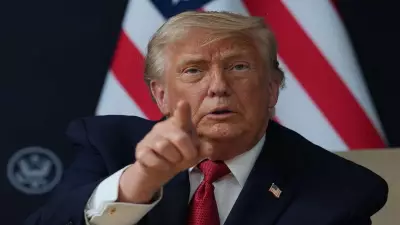
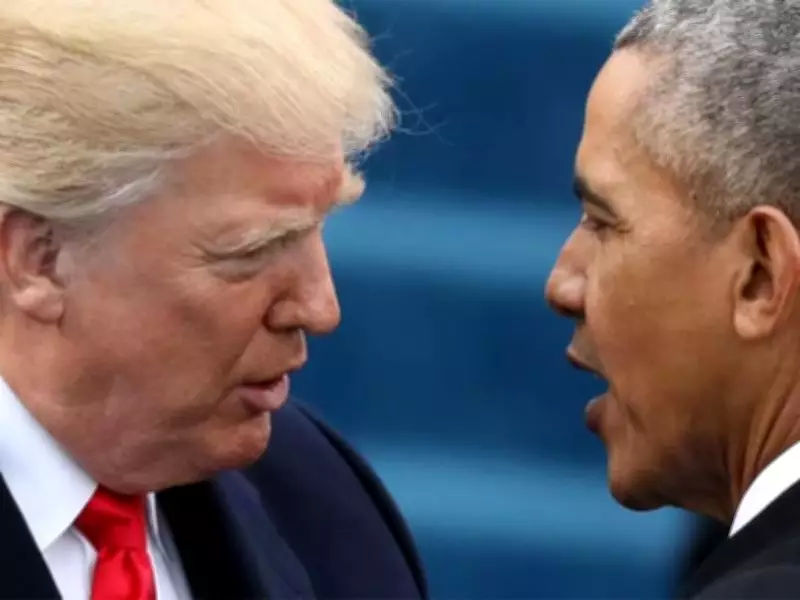
US President Donald Trump has defiantly refused to apologize after a racist social media post featuring former President Barack Obama and First Lady Michelle Obama depicted as jungle primates was deleted following widespread bipartisan condemnation. The controversial post, which appeared on Trump's Truth Social account during the first week of Black History Month, sparked immediate outrage from civil rights leaders, Republican senators, and Democratic lawmakers alike.
White House Blames Staffer for Controversial Post
The White House attributed the inflammatory post to a staffer after facing mounting pressure from across the political spectrum. Press Secretary Karoline Leavitt initially dismissed concerns as "fake outrage" before the administration removed the content hours later. This rare admission of error came despite Trump's personal assertion that he made no mistake, telling reporters on Friday, "I won't apologize. I didn't make a mistake."
The 62-second video clip primarily featured conservative allegations about voting machine tampering during the 2020 election, but included a brief segment showing the Obamas' faces superimposed on jungle primates. This imagery originated from a separate conservative meme video that portrays Trump as "King of the Jungle" while depicting Democratic leaders as various animals.

Timing During Black History Month Intensifies Criticism
The post's timing proved particularly inflammatory, appearing just days after Trump issued a Black History Month proclamation celebrating "the contributions of black Americans to our national greatness" and "American principles of liberty, justice, and equality." This contradiction amplified criticism from those who viewed the post as undermining the administration's stated commitment to racial equality.
Congressional Black Caucus Chairwoman Yvette Clarke expressed skepticism about the White House explanation, stating, "If there wasn't a climate, a toxic and racist climate within the White House, we wouldn't see this type of behaviour regardless of who it's coming from." She added unequivocally, "Trump is a racist, he's a bigot, and he will continue to do things in his presidency to make that known."
Republican Leaders Break Ranks to Condemn Post
In an unusual display of intra-party criticism, several prominent Republican figures publicly denounced the post. Senator Tim Scott of South Carolina, the Senate's only Black Republican, called it "the most racist thing I've seen out of this White House" and urged its removal. Senator Roger Wicker of Mississippi described the content as "totally unacceptable" and joined calls for a presidential apology.
Even some Trump supporters expressed dismay. Pastor Mark Burns, a prominent Black Trump supporter, revealed he had spoken directly with the president and recommended firing the responsible staffer while publicly condemning the incident. "He knows this is wrong, offensive, and unacceptable," Burns stated in a social media post.
Historical Context of Racist Imagery in American Politics
The post taps into a long and painful history of racist imagery in American political discourse. For centuries, powerful white figures have associated Black people with animals, particularly apes, as part of cultural racism and pseudo-scientific theories used to justify slavery and later dehumanize freed Black populations.
Historical precedents include:
- Thomas Jefferson's writings suggesting Black women preferred orangutans as sexual partners
- President Dwight Eisenhower's references to "big Black bucks" during school desegregation debates
- Merchandise depicting Barack Obama as a monkey during his presidency
Trump himself has a documented history of racially charged rhetoric, including pushing the "birther" conspiracy theory about Obama's citizenship, referring to majority-Black countries with derogatory language, and using immigration rhetoric similar to historical hate speech patterns.

Broader Implications for Presidential Communication
The incident raises significant questions about White House social media protocols and presidential communication standards. Trump has frequently used his social media accounts to announce policy decisions, levy economic measures, and engage in political combat, often signing posts with his initials to indicate personal authorship.
The White House has not clarified how posts are vetted or how the public can distinguish between presidential communications and staff-generated content. This ambiguity becomes particularly problematic when controversial content appears, as demonstrated by the Obama primate video controversy.
NAACP President Derrick Johnson characterized the video as "utterly despicable" and suggested Trump might be using such distractions to shift attention from economic concerns and the Jeffrey Epstein case files. "You know who isn't in the Epstein files? Barack Obama," Johnson noted. "You know who actually improved the economy as president? Barack Obama."
Public Reaction and Cultural Response
Beyond political circles, the post generated strong reactions from ordinary citizens and cultural figures. At a Black History Month market in Harlem, vendor Jacklyn Monk expressed embarrassment, stating, "The guy needs help. I'm sorry he's representing our country... It's horrible that it was this month, but it would be horrible if it was in March also."
Reverend Bernice King, daughter of civil rights icon Martin Luther King Jr., resurfaced her father's words in response: "Yes. I'm Black. I'm proud of it. I'm Black and beautiful." She emphasized that Black Americans "are beloved of God as postal workers and professors, as a former first lady and president. We are not apes."
The controversy continues to reverberate through American political discourse, highlighting ongoing tensions about race, presidential conduct, and the appropriate boundaries of political communication in the digital age.