Toothpaste vs. Professional Kits: The Truth About DIY Headlight Restoration
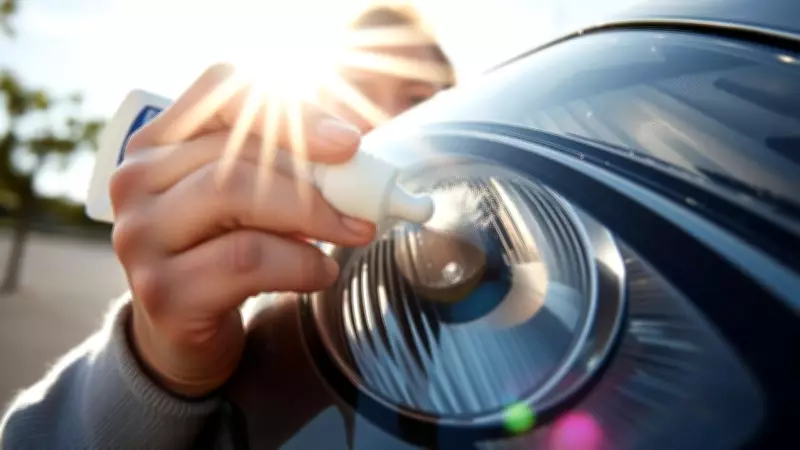
For do-it-yourself vehicle maintenance, one of the most common and popular methods to restore fogged-up headlights involves using toothpaste. Although toothpaste is primarily designed for cleaning teeth, its mild abrasive properties make it surprisingly effective at scrubbing away dirt and oxidation from plastic headlight lenses. This home remedy has gained traction among car owners seeking a quick and inexpensive solution to improve visibility and aesthetics.
The Science Behind Toothpaste on Headlights
Toothpaste works by gently polishing the plastic lens surface. Its abrasive components remove a thin layer of oxidized material, which can temporarily enhance clarity and brightness. However, scientific research highlights significant limitations. Studies, such as the UV Aging Effects on Polycarbonate Properties, indicate that exposure to sunlight causes yellowing and deterioration of plastic surfaces over time. While toothpaste can smooth and improve surface appearance, it does not restore the structural integrity of the lens or provide any protection against ultraviolet radiation.
Furthermore, the effectiveness of toothpaste diminishes rapidly, often lasting only two to three weeks. Research on the Effects of UV accelerated aging on the mechanical and optical properties of polycarbonate demonstrates that ultraviolet rays continuously degrade the transparency and strength of the material. Without a protective layer, headlight lenses re-oxidize quickly, leading to repeated hazing. This lack of UV protection is a critical drawback compared to professional restoration methods.

Inefficiency of Other DIY Solutions
Beyond toothpaste, car enthusiasts might turn to alternatives like vinegar, baking soda, or commercial glass cleaners. These options can help clean the lenses but fail to address oxidation effectively. Scientific reviews, such as the SpringerPlus study on Photodegradation and photostabilization of polymers, explain that plastics oxidize and discolor under UV exposure, a process that surface cleaning alone cannot prevent. This underscores the need for more comprehensive approaches to maintain headlight clarity.
Automotive experts and organizations like Allstate Insurance emphasize the importance of using UV sealants after cleaning. These sealants act as a barrier against the sun's rays, similar to professional treatments, and can significantly enhance visibility and durability. Relying solely on toothpaste or similar DIY methods may result in hazy lenses and reduced durability, potentially compromising night driving safety and necessitating frequent reapplication.
Benefits of Professional Headlight Restoration
Opting for professional headlight restoration services yields tangible and long-lasting results. Professionals typically follow a meticulous process:
- Wet sanding the lenses with varying grits to remove deep oxidation.
- Polishing the surface to restore clarity and shine.
- Applying a protective coating that shields against UV rays, preventing future hazing.
Research published in sources like Weathering of Polymers and Plastic Materials on Springer Nature confirms that yellowing can be avoided with materials resistant to UV rays and wear. For DIY hobbyists, using sanding blocks and sealers can approximate professional outcomes, but it requires careful execution to avoid damage. A review in MDPI Polymers, A Review of Weathering Studies in Plastics and Biocomposites, stresses the necessity of protecting plastics from UV and weathering to maintain optical properties, something toothpaste lacks.
Tips for Using Toothpaste at Home
If you choose to use toothpaste for a temporary fix, follow these steps to maximize effectiveness:

- Wet the headlight surface before applying a layer of toothpaste.
- Polish the lens with a soft cloth in circular motions.
- Rinse thoroughly and dry with a towel.
It is advisable to test a small section first to prevent scratches or adverse reactions. While this method is cost-effective and quick, combining it with a UV-protective sealant afterward can extend its benefits and reduce the need for frequent reapplications. Understanding the limitations of toothpaste is crucial for car owners seeking both convenience and safety.
Conclusion: Balancing Convenience and Safety
Using toothpaste might offer easy, short-term improvements for foggy headlights, but it falls short in providing lasting clarity and protection. Professional products and methods, supported by studies on UV degradation and polymer science, ensure more durable results. For car owners aiming to balance convenience with safety, integrating regular cleanings with UV protection is key to maintaining headlight brightness and ensuring optimal driving conditions.