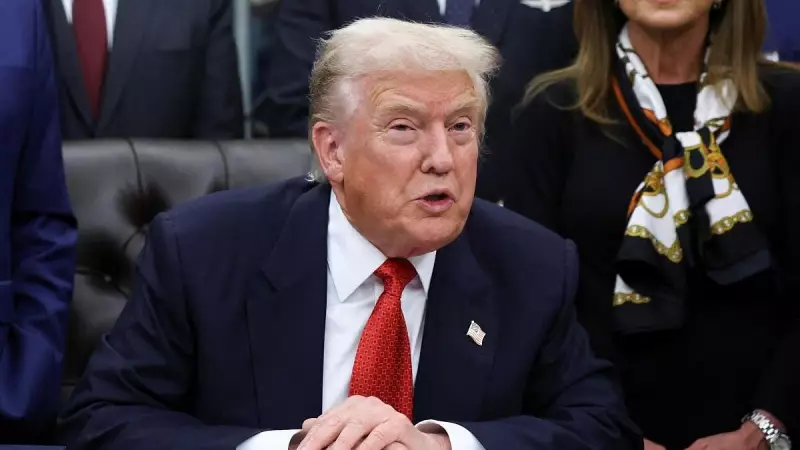
In a significant political development, the Trump administration reportedly attempted to delay a crucial Senate vote that would force the release of investigative files related to the Jeffrey Epstein case, according to a Reuters report dated November 20, 2025.
White House's Covert Lobbying Efforts
The White House under President Trump quietly engaged in lobbying efforts directed at several senators, aiming to slow-walk the voting process on the resolution concerning the Epstein documents. This behind-the-scenes maneuver sought to postpone the public disclosure of files that could contain sensitive information about the extensive investigation into Epstein's activities.
The attempted intervention occurred in November 2025, as pressure mounted for greater transparency in the high-profile case that has captured international attention for years. The administration's efforts represented a strategic move to control the timing and potentially the narrative around the release of these controversial documents.

The Failed Attempt at Delay
Despite the White House's concerted efforts to influence the legislative process, the attempt to delay the vote ultimately failed. Senators moved forward with the resolution, demonstrating congressional determination to secure the release of Epstein-related investigative materials to the public.
The failed delay tactic reveals the ongoing political tensions surrounding the Epstein case, even years after the financier's death in prison. The case has remained a subject of intense public interest and conspiracy theories, with many demanding complete transparency about Epstein's network and activities.
Implications and Next Steps
The Senate's decision to proceed with the vote despite White House opposition signals a significant moment in the long-running Epstein saga. The release of these investigative files could potentially uncover new details about Epstein's operations and his connections to various high-profile individuals across different sectors.
This development comes at a crucial time in American politics and could have far-reaching consequences for how such sensitive cases are handled at the highest levels of government. The public's right to know appears to have prevailed over administrative attempts to control the release of information in this instance.
As the situation continues to develop, all eyes remain on the Senate and the eventual release of the Epstein files, which promise to shed new light on one of the most controversial cases in recent American history.