

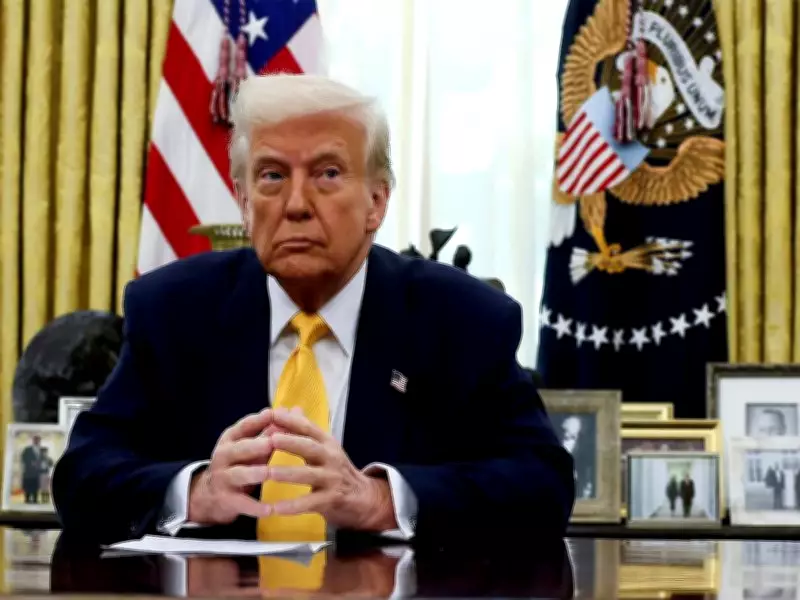
Trump Issues Stark Warning on Potential US Military Action Against Iran
In a recent statement that has sent shockwaves through international diplomatic circles, former United States President Donald Trump has openly threatened a military strike on Iran, vowing to deploy America's "best weapons" if ongoing talks between the two nations fail to yield a favorable outcome. This provocative declaration comes at a time of heightened geopolitical instability in the Middle East, raising concerns about the potential for escalated conflict in the region.
Escalating Tensions Amid Diplomatic Efforts
The warning from Trump underscores the fragile nature of current diplomatic negotiations between the US and Iran. According to sources, these talks have been fraught with challenges, as both sides grapple with longstanding issues related to nuclear proliferation, regional influence, and economic sanctions. Trump's remarks suggest a hardline stance, emphasizing a readiness to resort to military force as a last resort should diplomacy prove ineffective.
Trump stated, "If these talks don't work out, we will have no choice but to take decisive action. We have the best weapons in the world, and we will use them if necessary." This language has been interpreted by analysts as a direct attempt to pressure Iran into concessions, while also rallying domestic support among his political base ahead of potential future electoral campaigns.

Implications for Global Security and Regional Stability
The threat of a US strike on Iran carries significant implications for global security and the already volatile Middle East. Experts warn that such an action could trigger a broader regional conflict, potentially involving other nations and destabilizing key oil-producing areas. The use of "best weapons"—likely referring to advanced military technology such as precision-guided missiles and cyber capabilities—highlights the severity of the potential escalation.
International reactions have been mixed, with some allies expressing concern over the aggressive rhetoric, while others view it as a necessary deterrent against Iranian aggression. The situation is further complicated by Iran's own military capabilities and its alliances with other regional powers, which could lead to a multifaceted confrontation if hostilities erupt.
Background and Context of US-Iran Relations
Relations between the United States and Iran have been strained for decades, marked by periods of intense hostility and brief diplomatic overtures. Key points of contention include:
- Nuclear Program: Iran's pursuit of nuclear technology, which the US and other nations fear could lead to weapon development.
- Regional Proxy Conflicts: Iran's support for militant groups in countries like Syria, Yemen, and Lebanon, which the US views as destabilizing.
- Economic Sanctions: US-imposed sanctions that have crippled Iran's economy, leading to ongoing negotiations for relief.
Trump's warning reflects a continuation of his administration's "maximum pressure" campaign against Iran, which aimed to curb its influence through economic and military means. However, with Trump no longer in office, the current US administration faces the challenge of balancing diplomatic engagement with the threat of force, as echoed in his recent statements.
Potential Outcomes and Future Scenarios
As talks between the US and Iran continue, several scenarios could unfold:
- Diplomatic Breakthrough: Successful negotiations could lead to a renewed nuclear deal or other agreements, reducing tensions and avoiding military conflict.
- Stalemate: If talks fail without immediate escalation, both sides might resort to covert actions or proxy warfare, maintaining a state of low-intensity conflict.
- Military Escalation: A breakdown in diplomacy, coupled with provocative actions, could result in a direct US strike, potentially sparking a wider war in the Middle East.
The global community is closely monitoring the situation, with calls for restraint and dialogue from organizations like the United Nations. The outcome will likely hinge on the willingness of both nations to compromise and the broader geopolitical dynamics at play.

In summary, Trump's warning of a US strike on Iran with "best weapons" if talks fail adds a new layer of urgency to an already complex diplomatic landscape. It serves as a reminder of the high stakes involved in US-Iran relations and the potential for rapid escalation in one of the world's most turbulent regions.





