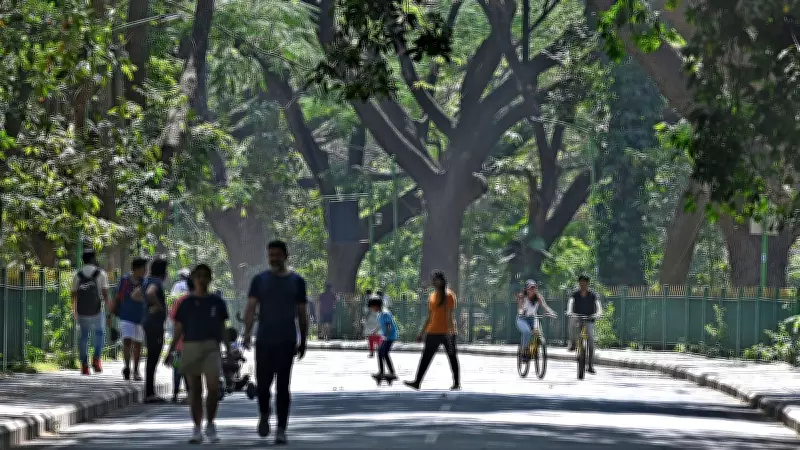
India has long been celebrated as a land of diversity, where a multitude of languages, religions, and cultures coexist. This pluralism is not merely a demographic fact but a foundational principle that has shaped the nation's identity. However, in recent times, this diversity has faced challenges from forces seeking to homogenize society. It is crucial to reaffirm the value of diversity as a source of strength rather than division.
The Historical Roots of Pluralism
From ancient times, India has been a melting pot of various traditions. The Indus Valley Civilization, the Vedic period, and the subsequent influx of different communities have all contributed to a rich tapestry of beliefs and practices. The Mughal Empire, with its syncretic culture, and the British colonial period, which brought together disparate regions, further cemented this diversity. The freedom movement, led by figures like Mahatma Gandhi and Jawaharlal Nehru, emphasized unity in diversity as a core principle for the new nation.
Challenges to Diversity Today
In contemporary India, there are growing concerns about the erosion of pluralism. Incidents of communal violence, hate speech, and discrimination against minorities have raised alarms. Political narratives that prioritize a singular identity threaten the very fabric of Indian society. It is essential to address these challenges through education, dialogue, and inclusive policies.

The Role of Education and Media
Education plays a pivotal role in fostering respect for diversity. Schools should teach students about different cultures and histories, promoting empathy and understanding. Media, too, has a responsibility to present balanced narratives that highlight the benefits of pluralism. Social media platforms must curb hate speech and misinformation that can fuel division.
Economic and Social Benefits
Diversity is not just a moral imperative but also an economic asset. A multicultural workforce brings varied perspectives, driving innovation and creativity. Cities like Mumbai and Bengaluru thrive because of their cosmopolitan nature. Socially, exposure to different ways of life enriches individual experiences and builds a more tolerant society.
Moving Forward
To preserve India's diversity, there must be a collective effort from all sections of society. The government should enforce laws that protect minority rights and promote inclusive development. Civil society organizations can facilitate interfaith dialogues and cultural exchanges. Ultimately, every citizen has a role in embracing pluralism and rejecting intolerance. India's strength lies in its ability to accommodate differences, and this home for diversity must be safeguarded for future generations.