Trump Discloses High-Level US Talks with Iranian Official, Excluding Supreme Leader
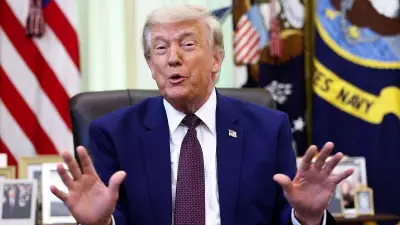
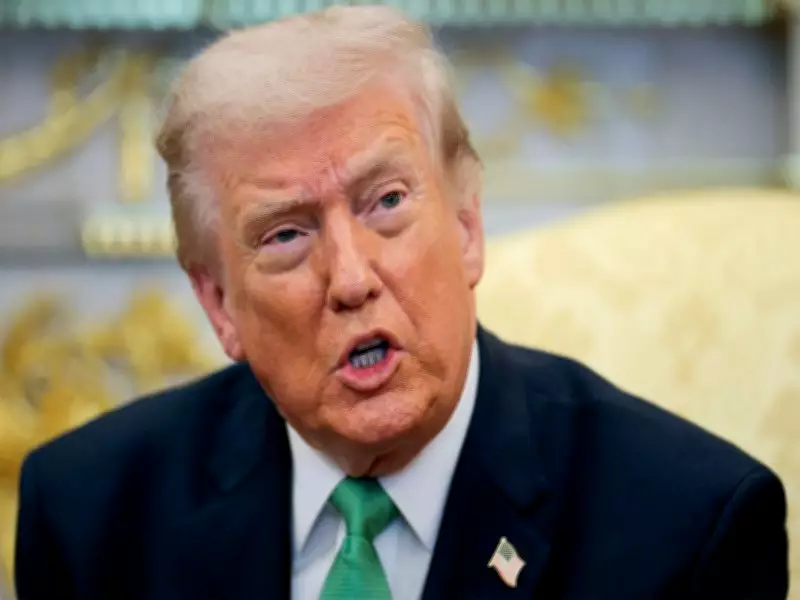
US President Donald Trump announced on Monday that the United States is engaged in significant diplomatic discussions with a high-ranking Iranian figure, aiming to de-escalate ongoing hostilities in the Middle East. Speaking to reporters in Florida, Trump clarified that these negotiations do not involve the new Supreme Leader of Iran, Mojtaba Khamenei, whom he does not recognize as the legitimate leader.
Details of the Diplomatic Engagement
Trump described the Iranian interlocutor as "a top person" within the leadership, though he declined to reveal the individual's identity. He emphasized the complexities of the current Iranian hierarchy, stating, "Don't forget: We've wiped out the leadership phase one, phase two, and largely phase three. But we're dealing with a man who I believe is the most respected and the leader." The President confirmed that his envoys, Steve Witkoff and Jared Kushner, are leading these talks, which have been described as productive and initiated by Tehran.
Addressing the absence of Supreme Leader Khamenei from the process, Trump noted, "No, not the Supreme Leader," and added, "we have not heard from the son. Every once in a while you'll see a statement made, but we don't know if he's living." He expressed skepticism about the cleric's authority, remarking, "I don't consider him really the leader."

Sanctions Easing and Military Funding
In parallel to diplomatic efforts, Trump addressed the easing of sanctions on certain Iranian oil stockpiles, framing it as a strategic move to stabilize global energy markets rather than a concession. He explained, "I just want to have as much oil in the system as possible," and dismissed concerns about its impact on the conflict, saying, "Any small amount of money that Iran gets won't have any difference in this war. But I want to have the system be lubricated."
Despite focusing on de-escalation, Trump indicated plans to pursue USD 200 billion in Pentagon funding, citing global political volatility. He commented, "It's nice to have, it's always nice to have, it's a very inflamed world," while attributing part of the instability to Democrats. Reports suggest the White House may formally request these funds from Congress soon, though Republican leaders seek more details before committing.
Progress and Conditions for a Deal
Trump struck an optimistic tone on social media, noting that both nations have had "very good and productive conversations" over the past two days, with "major points of agreement" reached in late-night sessions. He described the talks as "perfectly" initiated and suggested that continued momentum could "end that, that problem, that conflict, and I think it'll end it very, very substantially."
Outlining a critical timeline, Trump said, "We're doing a five-day period, we'll see how that goes. That if it goes well we're going to end up with settling this. Otherwise, we just keep bombing our little hearts out." He emphasized that any final agreement must include strict nuclear non-proliferation, stating, "We want to see no nuclear bomb, no nuclear weapon." Additionally, he asserted that the US intends to take control of Iran's enriched materials, referring to them as "the nuclear dust," and claimed, "We're gonna want that. And I think we're gonna get that. We've agreed to that."
Further discussions are scheduled, with telephonic talks on Monday and a face-to-face meeting planned "very, very soon." Trump highlighted the mutual desire for a deal, underscoring the high stakes in these negotiations as both sides navigate a path toward resolution in the turbulent Middle East.