Trump's Pentagon Strategy Pivots: Why Greenland and the Panama Canal Are Now Key Military Hubs
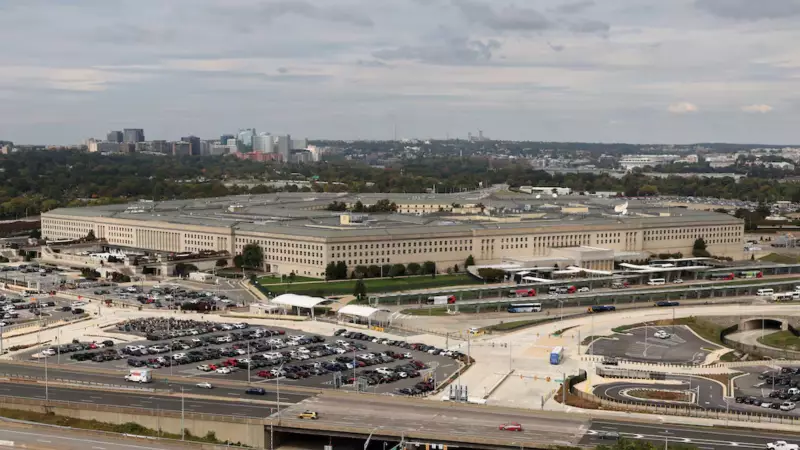
In a significant shift from previous geopolitical priorities, the Pentagon under former President Donald Trump has unveiled a new military strategy that moves away from a singular focus on China. Instead, this revised approach is redirecting US military assets and attention toward strategic locations such as Greenland and the Panama Canal. This move underscores a broader realignment in American defense policy, emphasizing the importance of Arctic security and maritime chokepoints in the evolving global landscape.
Strategic Importance of Greenland in the Arctic Region
Greenland, a vast autonomous territory within the Kingdom of Denmark, has emerged as a critical focal point in the Pentagon's updated strategy. The Arctic region is becoming increasingly accessible due to climate change, opening new shipping routes and resource extraction opportunities. By enhancing its military presence in Greenland, the United States aims to secure its interests in this rapidly changing environment. This includes monitoring potential threats from rival nations, such as Russia and China, who are also expanding their activities in the Arctic. The strategy involves deploying advanced surveillance systems, naval assets, and possibly establishing new bases to assert dominance and ensure stability in the area.
Panama Canal: A Vital Maritime Corridor for US Security
Similarly, the Panama Canal holds immense strategic value as a key maritime corridor connecting the Atlantic and Pacific Oceans. The Pentagon's strategy recognizes the canal's role in global trade and military logistics, making it a priority for enhanced security measures. By strengthening its military footprint around the Panama Canal, the US seeks to protect this crucial waterway from potential disruptions, whether from geopolitical tensions, terrorism, or natural disasters. This involves collaborations with Panamanian authorities, increased naval patrols, and investments in infrastructure to safeguard the flow of goods and military assets through the region.

Broader Implications for US Foreign Policy and Global Alliances
This strategic pivot reflects a nuanced approach to US foreign policy under Trump's administration, moving beyond the traditional emphasis on countering China's rise. It highlights a growing recognition of the need to address emerging threats in diverse regions, from the Arctic to Central America. The shift could impact global alliances, as the US works closely with allies like Denmark for Greenland and Panama for canal security. Moreover, it signals a potential reduction in military resources dedicated solely to the Indo-Pacific, prompting discussions about the long-term balance of power and security priorities worldwide.
In summary, the Pentagon's new strategy under Trump marks a deliberate move to diversify US military focus, prioritizing locations like Greenland and the Panama Canal for their strategic advantages. This approach aims to enhance national security by addressing vulnerabilities in critical regions, while also adapting to the changing dynamics of global geopolitics.