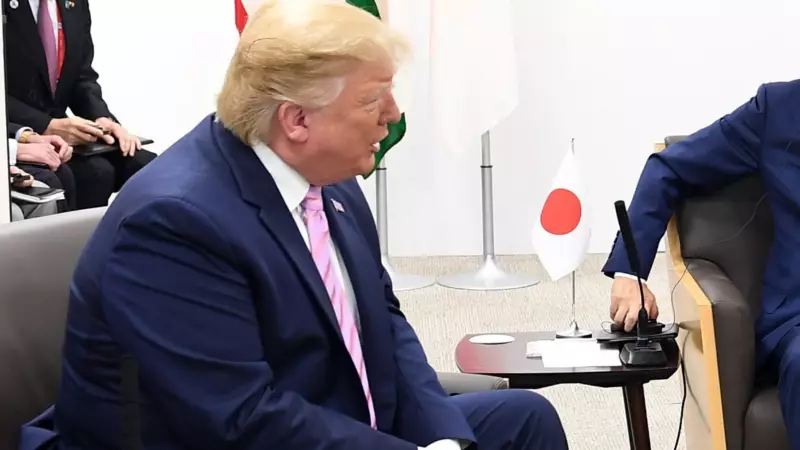
In a significant political move, former US President Donald Trump has issued full presidential pardons to several key allies who supported his efforts to challenge the 2020 election results. The pardons cover prominent figures including his former personal lawyer Rudy Giuliani and ex-chief of staff Mark Meadows.
Complete Pardon Coverage for Election Challenge Team
The Justice Department confirmed that Trump granted "full, complete, and unconditional" pardons to multiple individuals central to the post-election legal battles. Besides Giuliani and Meadows, the pardon extends to conservative attorneys Sidney Powell and John Eastman, both of whom played crucial roles in formulating legal strategies to contest Joe Biden's victory.
Ed Martin, the government's pardon attorney, made the announcement through social media, sharing the signed proclamation that was posted online late Sunday. The document explicitly states that the pardon does not apply to Trump himself, as presidential pardons only cover federal crimes and none of the recipients faced federal charges.

Broader Pardon Scope Includes Fake Electors
The proclamation also covers Republicans who acted as fake electors for Trump in 2020, individuals who were charged in state cases for submitting false certificates claiming they were legitimate electors despite Biden winning their respective states. These cases represent some of the most direct legal consequences stemming from efforts to overturn election results through alternative elector schemes.
In the official document, the Trump administration described attempts to prosecute those involved in 2020 election-related activities as "a grave national injustice perpetrated on the American people." The administration framed the pardons as necessary for continuing "the process of national reconciliation" following the contentious election period.
Political Implications and White House Response
This sweeping pardon action underscores Trump's continued efforts to reshape the narrative around his 2020 election loss to Democrat Joe Biden. The timing and scope of the pardons signal strong support for those who remained loyal to his cause during the post-election challenges.
The White House maintained silence initially, with officials not immediately responding to emails seeking comment on Monday following the announcement. The lack of immediate response suggests the current administration may be carefully considering its position on this controversial move by the former president.
Legal experts note that while the pardons protect the individuals from federal prosecution, they do not provide immunity from state-level charges that some might still face. However, the political message remains clear: Trump continues to stand by those who supported his election challenges despite widespread criticism and legal scrutiny.