Trump's Unusual Air Force One Routine: Vigilance Over Sleep
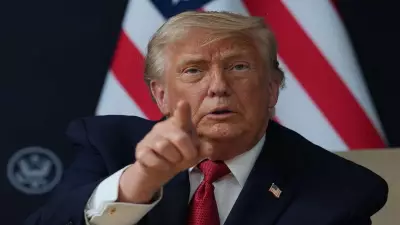
In a revealing disclosure, former US President Donald Trump has stated that he never sleeps during long flights aboard Air Force One. Instead, he remains awake, intently scanning the skies for potential threats. This unusual habit sheds light on the demanding and unconventional travel style of the 45th President of the United States.
"I Don't Like Sleeping on Planes"
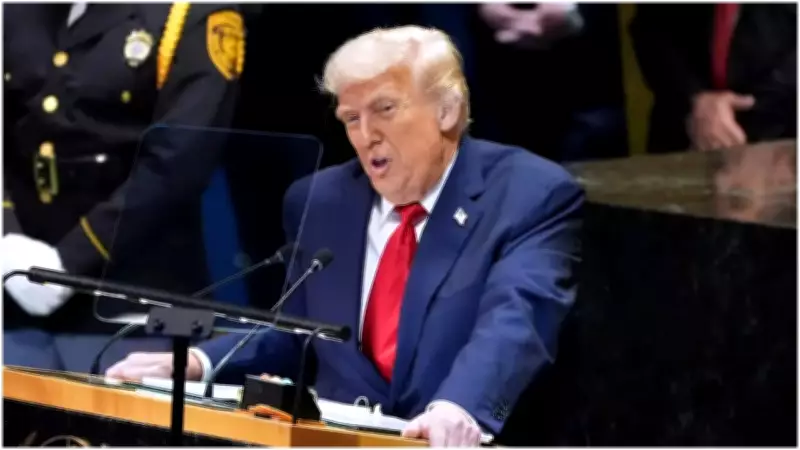
During a speech at the National Breakfast Prayer event, Trump elaborated on his airborne routine. "You can go and sleep. We have quarters prepared for you," he said, referencing the accommodations available on the presidential aircraft. "I said: 'No no, I don't have to sleep. I've been on a plane sleeping for twenty... I mean, I sleep on the plane.' I don't sleep on planes. I don't like sleeping on planes."
Instead of resting, Trump described his alternative activity: "I like looking out the window for missiles and enemies actually." This remark, delivered with characteristic bluntness, drew laughter from the audience but underscored his self-proclaimed vigilance.

A History of Minimal Sleep
This is not the first time Trump has discussed his limited sleep patterns. During his 2016 presidential campaign, he famously claimed, "You know, I'm not a big sleeper, I like three hours, four hours, I toss, I turn, I beep-de-beep, I want to find out what's going on." This statement, reported by HuffPost at the time, aligns with his recent comments about remaining alert during flights.
Exhausting Travel for Staff
The President's wakefulness had significant implications for his traveling staff. In 2019, a White House official told CNN that accompanying Trump on trips was "like being held captive." The official explained that instead of sleeping, Trump would "hold court for hours on end," engaging in lengthy conversations about non-governmental topics, including quizzing staffers on sports trivia.
Marco Rubio's Secret Napping Strategy
The contrast between Trump's alertness and his staff's need for rest became particularly evident through anecdotes from his Secretary of State, Marco Rubio. In an interview with New York magazine published in January, Rubio described his covert method for catching sleep on long overseas flights.
"There's an office with two couches, and I usually want to sleep on one of those two couches," Rubio explained. His strategy involved elaborate concealment: "But what I do is I cocoon myself in a blanket. I cover my head. I look like a mummy."
Rubio's motivation for this disguise was specific: "I do that because I know that at some point on the flight, [Trump is] going to emerge from the cabin and start prowling the hallways to see who is awake." As reported by People magazine, Rubio noted that Trump never seemed to nap himself during these journeys.
The Secretary of State expressed concern about perception, stating he would rather Trump assumed a staffer was asleep than his secretary of state. He did not want the President to think, "Oh, this guy is weak," highlighting the pressure to maintain an image of endurance within Trump's inner circle.
These accounts collectively paint a vivid picture of presidential travel under Donald Trump—marked by constant vigilance, minimal sleep, and a work environment that demanded similar stamina from those around him. The revelations offer a unique glimpse into the operational culture aboard Air Force One during his administration.