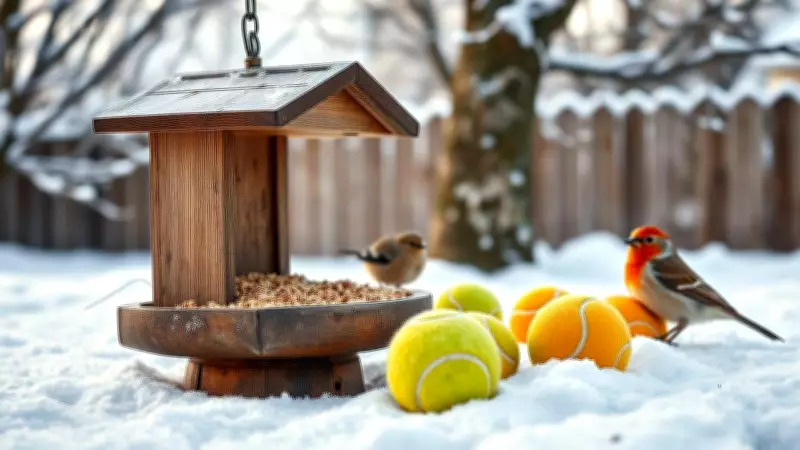
Tennis Balls Provide Winter Lifeline for Garden Wildlife
The winter season poses significant dangers to native fauna navigating frost-covered gardens. Small animals like birds and hedgehogs face heightened risks of slipping and falling on icy surfaces as they search for food and shelter during cold days. An innovative and increasingly popular home remedy involves using tennis balls to create safer pathways.
The Science Behind Stable Winter Surfaces
When temperatures plummet and ice forms on garden nets, feeders, and patios, these surfaces become dangerously slippery for wildlife. Scientific research demonstrates that textured rubber substantially improves traction in icy conditions. A study published in Applied Ergonomics titled "Efficacy of a Rubber Outsole with a Hybrid Surface Pattern for Preventing Slips on Icy Surfaces" reveals that textured rubber soles significantly increase resistance to sliding compared to non-textured surfaces, thereby reducing slip and fall incidents.
Although this research specifically examined shoe soles, the fundamental principle applies broadly to any rubber surface, including tennis balls in garden environments. The textured rubber skin of tennis balls transforms them into miniature grip devices when placed on icy surfaces. This textured surface enhances the ability of birds and hedgehogs to step or land securely on ice. Additionally, the bright colors of tennis balls attract animals searching for nourishment.

Creating Reliable Landing Zones for Birds
Freezing conditions force birds to seek dependable food sources and secure landing spots. Icy surfaces create hazardous landing conditions that challenge birds' balance. Strategically placing tennis balls around bird feeders provides secure, non-slippery landing areas, conserving energy that birds would otherwise expend regaining their footing.
These rough-textured balls serve as reliable, easily-grasped attractants that draw birds from gardens into open areas during cold months. When positioned thoughtfully, they encourage more frequent bird visits, supporting avian survival throughout winter.
Securing Pathways for Hedgehogs
Icy garden paths become treacherous for hedgehogs and other small mammals during winter. Nighttime foraging becomes particularly risky as ice combines with fallen leaves and grass to create slippery surfaces. Placing tennis balls along known trails and near shelters provides hedgehogs with stable footing, preventing slips and enabling access to potential food sources.
This approach helps hedgehogs conserve energy by minimizing sliding on slippery ground. This creative home remedy offers safe landing spots and foraging paths, substantially aiding wildlife survival during cold months. The method aligns with broader wildlife conservation principles that encourage assisting animals in adapting to human-modified environments.
Optimal Placement for Maximum Effectiveness
For best results, position tennis balls in areas with frequent animal movement and locations where ice typically forms first. Ideal spots include areas surrounding bird feeders, beneath garden netting, on patios, along hedgehog highways, and near refuge entryways. The vibrant colors of tennis balls make them highly visible against snow-covered backgrounds, helping animals locate safe surfaces more easily.
Regular inspections ensure balls remain properly positioned and prevent snow from covering or displacing them. Adjust placements if animals alter their routes or severe weather occurs. Advance planning enhances this technique's effectiveness for garden wildlife throughout winter, increasing benefits for local animals and birds.
Complementary Winter Wildlife Care Strategies
Beyond tennis balls, several additional wildlife-friendly measures prove valuable during winter. Adding floating elements to bird baths prevents water from freezing while maintaining minimal movement. According to organizations including the Woodland Trust, Royal Society for the Protection of Birds, and National Wildlife Federation, providing adequate food, unfrozen water, and secure footholds represents crucial actions gardeners can take to help birds and hedgehogs survive harsh conditions.

Preserving natural garden components like leaves, seeds, and native plants offers both nourishment and habitat for insects and small mammals. Avoiding artificial grass and reducing pesticide use maintains ecological balance and supports natural seasonal cycles, ensuring animals have survival resources during winter.
Small Efforts Yield Significant Results
Simple measures like placing tennis balls around garden nets and pathways can dramatically impact birds and hedgehogs struggling with cold weather. Providing safe, non-slippery surfaces reduces injuries while facilitating access to food and shelter sources.
When combined with other winter practices like preventing bird bath freezing and maintaining natural habitats, these straightforward techniques encourage winter wildlife presence in gardens. Minor adjustments create meaningful improvements for vulnerable species facing seasonal challenges.