Trump Asserts Iran's New Supreme Leader 'Damaged but Probably Alive' Following US Military Strikes
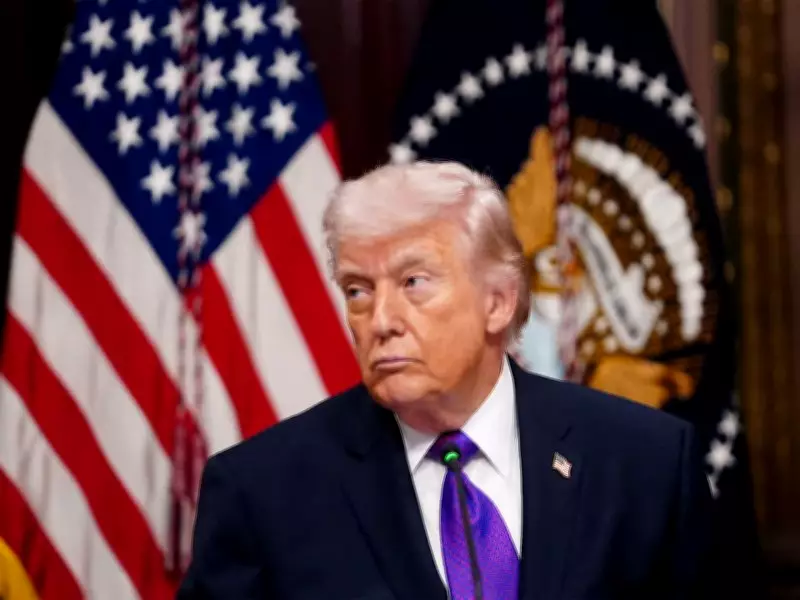
In a recent interview with Fox News, former US President Donald Trump made striking comments regarding the status of Iran's new Supreme Leader, Ayatollah Seyyed Mojtaba Hosseini Khamenei, in the aftermath of targeted US military operations. Trump suggested that while Khamenei is likely alive, he has sustained significant damage from the ongoing conflict.
Trump's Assessment of Iran's Leadership and Military Situation
During his appearance on the Brian Kilmeade Show, Trump was directly questioned about whether he believes Iran's new supreme leader is still alive. He responded with a nuanced perspective, stating, "He probably is. I think he's damaged, but I think he's probably alive in some form." This remark underscores the uncertainty and intensity surrounding the leadership in Tehran amidst escalating tensions.
Trump further elaborated on the broader military context, emphasizing that the United States is aggressively targeting Iran's capabilities. "We are decimating them," he declared, adding that Iran has been hit more severely than any other country since World War II. He detailed the destruction of Iranian assets, including missiles, drones, and manufacturing facilities, highlighting the scale of US operations aimed at crippling Iran's military infrastructure.

US Officials Corroborate Claims of Leadership Injuries
Supporting Trump's assertions, US Secretary of War Pete Hegseth provided additional insights during a joint briefing at the Pentagon. Hegseth claimed that Mojtaba Khamenei was "wounded and likely disfigured" as a result of US strikes. He described the new Iranian leadership as "desperate and hiding," painting a picture of a regime under severe pressure and struggling to maintain control amid the conflict in West Asia.
Strategic Focus on the Strait of Hormuz and Iranian Capabilities
The briefing also featured remarks from US Joint Chiefs Chair General Dan Caine, who addressed Iran's actions in the Strait of Hormuz. General Caine labeled Iran as "belligerent" for obstructing commercial traffic through the strategic waterway, though he acknowledged that some movement persists. He outlined US priorities in the region, stating, "We have made it a priority to target Iran's mine-laying enterprise, naval bases, and depots." This strategy aims to neutralize threats to international shipping and US interests.
General Caine emphasized ongoing efforts to degrade Iran's ballistic missile and drone capabilities, ensuring they no longer pose a threat to US forces, bases, or allied partners. He confirmed that attacks on Iran's defense and industrial bases would continue in the coming days, underscoring a sustained military campaign.
International Concerns and Calls for De-escalation
Amid these developments, United Nations Secretary-General Antonio Guterres expressed grave concern over the escalating crisis in West Asia. In a social media post, Guterres warned that the situation poses a major threat to global peace and security, causing immense suffering for civilians. He urged all parties to cease hostilities and engage in dialogue, stating, "De-escalation and dialogue are the only way out." Guterres called for adherence to international law, protection of civilians, and a return to negotiations to resolve the conflict peacefully.
The combined statements from Trump, US officials, and the UN highlight the volatile state of affairs in the region, with military actions intensifying and diplomatic efforts being urged to prevent further escalation.