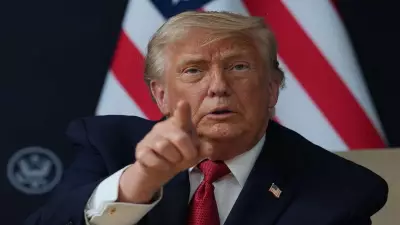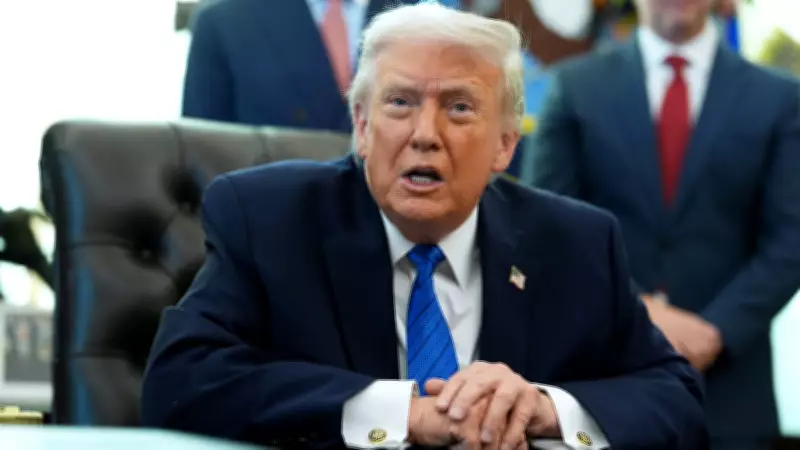
In a recent statement that underscores the shifting dynamics of global energy trade, former United States President Donald Trump has indicated that India is poised to alter its oil procurement strategy. According to Trump, India will likely turn to Venezuela as a source for crude oil, moving away from Iran. This potential shift reflects broader geopolitical pressures and the ongoing influence of US foreign policy on international markets.
Geopolitical Implications of the Oil Trade Shift
The suggestion from Trump comes at a time when global oil markets are experiencing significant turbulence due to geopolitical tensions and economic sanctions. India, as one of the world's largest importers of crude oil, plays a crucial role in shaping these markets. By potentially pivoting from Iranian oil to Venezuelan supplies, India could be responding to US-led sanctions against Iran, which have been a cornerstone of American foreign policy in recent years.
Venezuela's Role in the Global Energy Landscape
Venezuela, despite its own economic and political challenges, possesses some of the largest proven oil reserves in the world. A move by India to increase imports from Venezuela could provide a much-needed boost to the South American nation's struggling economy. However, this shift is not without complications, as Venezuela has also faced sanctions from the United States and other countries, adding layers of complexity to such trade deals.

Impact on India's Energy Security
For India, diversifying oil sources is a key component of its energy security strategy. Relying less on Iranian oil and more on Venezuelan supplies could help mitigate risks associated with regional conflicts and sanctions. This realignment may also strengthen India's diplomatic ties with both the United States and Venezuela, balancing its foreign policy objectives with its economic needs.
Trump's Influence on International Relations
Donald Trump's comments highlight his continued involvement in global affairs, even after his presidency. His ability to sway international trade decisions, particularly in the energy sector, underscores the lasting impact of his administration's policies. This situation also raises questions about how future US administrations will navigate similar issues, especially as countries like India seek to maintain strategic autonomy while engaging with global powers.
In summary, Trump's assertion about India's oil import plans points to a broader narrative of geopolitical maneuvering in the energy sector. As nations adjust to changing alliances and economic pressures, such shifts could have far-reaching consequences for global stability and trade relations.