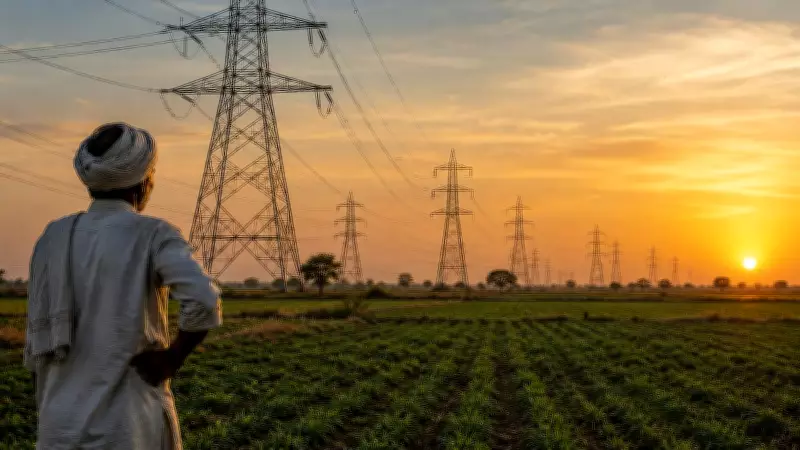
Farmers in Gujarat are actively opposing the expansion of power corridors across the state, raising concerns over inadequate compensation and loss of agricultural land. According to a notice issued by the authorities, compensation would be paid in accordance with the guidelines prescribed by the Gujarat government. However, farmers argue that the current compensation rates are insufficient to cover the long-term economic impact on their livelihoods.
Background of the Dispute
The power corridor expansion project aims to strengthen the state's electricity transmission network to meet growing energy demands. The project involves laying high-tension power lines across agricultural fields, which farmers say will disrupt farming activities and reduce crop yields. Many farmers have reported that the compensation offered does not reflect the actual value of their land or the potential loss of income over years.
Farmers' Demands
Local farmer unions have organized protests and submitted memorandums to district collectors, demanding a revision of compensation rates. They are calling for a transparent assessment process that includes the future earning potential of the land. One farmer leader stated, "The compensation must cover not just the land value but also the loss of productivity for at least a decade. Our fields are our only source of income."

Government Response
Officials maintain that the compensation follows the state's land acquisition and resettlement policy, which includes rates determined by the district valuation committee. They have assured farmers that their grievances will be addressed through a review mechanism. The Gujarat government has also emphasized that the power corridor is essential for industrial growth and rural electrification.
Impact on Agriculture
The expansion is expected to affect thousands of hectares of farmland across several districts, including Mehsana, Gandhinagar, and Kutch. Farmers in these regions are already facing water scarcity and erratic weather patterns due to climate change. The power lines will further restrict the use of heavy machinery and irrigation systems, potentially reducing agricultural output by an estimated 15-20% in affected areas, according to local agricultural experts.
Way Forward
Talks between farmer representatives and government officials are ongoing, but no breakthrough has been achieved yet. Farmers have threatened to intensify their agitation if their demands are not met by the next harvesting season. The state government has urged patience, stating that a high-level committee is reviewing the compensation structure to ensure fairness while balancing infrastructure needs.