Trump Boasts of Foreign Policy Wins, Including India-Pakistan Settlement
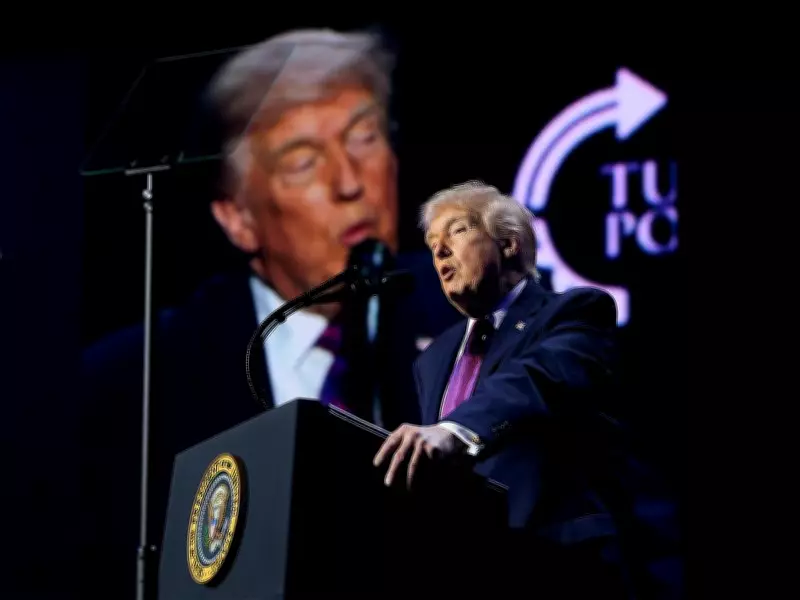
In a bold declaration that has sparked international attention, former United States President Donald Trump claimed he personally settled a war between India and Pakistan. During a recent public address, Trump expanded on this assertion by stating he successfully ended a total of eight wars throughout his presidency, positioning himself as a pivotal figure in global conflict resolution.
Details of the Claims Made by the Former President
Trump did not specify the exact timing or nature of the India-Pakistan war he referenced, leaving analysts to speculate whether he alluded to heightened tensions or a specific skirmish during his term from 2017 to 2021. Historically, India and Pakistan have experienced numerous conflicts since their independence, with the most recent major war occurring in 1999. Trump's remarks suggest he views his diplomatic interventions, such as facilitating talks or leveraging US influence, as decisive in preventing or resolving hostilities.
Beyond the South Asian context, Trump emphasized his broader impact on global peace, claiming to have ended eight wars worldwide. While he did not list all conflicts, this statement likely refers to his administration's efforts in regions like the Middle East, where he brokered the Abraham Accords between Israel and several Arab nations. Critics and supporters alike are now scrutinizing these claims, with some praising his assertive diplomacy and others questioning the accuracy and scope of his assertions.

Reactions and Implications of Trump's Statements
The reaction to Trump's comments has been mixed, with political observers noting that such proclamations align with his characteristic self-promotion style. In India and Pakistan, officials have yet to issue formal responses, but the claim could reignite discussions about US mediation in bilateral disputes. Experts point out that while Trump did engage in diplomacy with both countries, notably visiting India in 2020 and offering to mediate on Kashmir, tangible resolutions to long-standing conflicts remain elusive.
This development comes as Trump remains a dominant figure in US politics, potentially influencing future foreign policy debates. His assertions about ending wars may bolster his image among supporters seeking a strong leader, but they also risk oversimplifying complex international issues. As the world assesses these claims, the focus shifts to how such narratives shape perceptions of US leadership and conflict resolution efforts on the global stage.