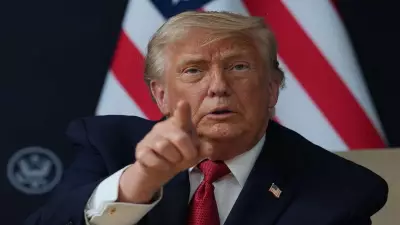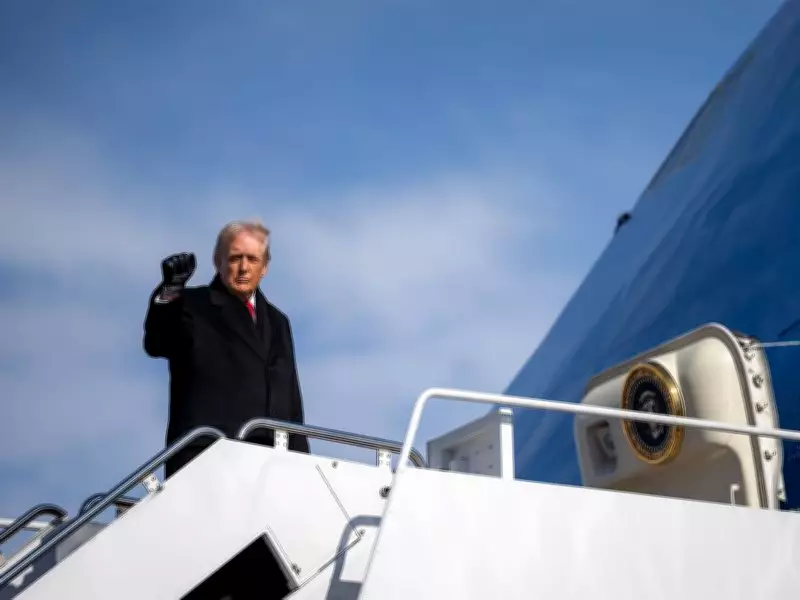
In a recent statement that has captured global attention, former United States President Donald Trump has voiced cautious optimism regarding the potential for a diplomatic agreement with Iran. However, he issued a stark warning, suggesting that if such efforts falter, it could serve as a grim validation of Supreme Leader Ayatollah Ali Khamenei's previous cautions about the risk of escalating regional warfare.
Trump's Dual Stance on Iran Negotiations
Trump, known for his hardline approach during his presidency, now appears to be striking a more nuanced tone. He emphasized his hope that Iran will come to the negotiating table to forge a deal, potentially addressing long-standing issues such as nuclear proliferation and regional stability. This shift comes amid ongoing international efforts to revive the Joint Comprehensive Plan of Action (JCPOA), which Trump withdrew from in 2018, citing its inadequacies.
Khamenei's Warning as a Critical Benchmark
The former president specifically referenced Ayatollah Khamenei's past statements, where the Iranian leader has repeatedly warned that failure in diplomatic channels could lead to heightened military tensions across the Middle East. Trump suggested that the outcome of current negotiations will be a litmus test for Khamenei's predictions. "If we don't succeed, it might just prove that Khamenei was right all along about the dangers of war," Trump remarked, highlighting the high stakes involved.

Context of US-Iran Relations Under Trump
During his tenure, Trump implemented a "maximum pressure" campaign against Iran, imposing severe sanctions and escalating confrontations, such as the targeted killing of General Qasem Soleimani in 2020. These actions significantly strained bilateral ties and contributed to regional instability. Now, as diplomatic talks continue under the Biden administration, Trump's comments reflect a broader debate on the effectiveness of pressure versus engagement strategies.
Regional Implications and Global Concerns
The potential failure of a deal with Iran could have far-reaching consequences, including increased proxy conflicts in countries like Yemen, Syria, and Lebanon, where Iranian influence is substantial. International observers are closely monitoring the situation, as any escalation might disrupt oil markets and global security. Trump's warning underscores the urgency for a peaceful resolution to prevent a broader conflict.
Analysis of Trump's Political Messaging
Some analysts interpret Trump's statements as part of his ongoing political narrative, positioning himself as a decisive leader while critiquing current administration policies. By linking the deal's success to Khamenei's warnings, he frames the issue in dramatic terms, potentially appealing to his base ahead of future elections. However, others see it as a genuine concern for regional peace, given his firsthand experience with Iran-related crises.
In summary, Trump's hopeful yet wary outlook on Iran negotiations adds a new layer to the complex geopolitical landscape. As talks proceed, the world watches to see if diplomacy can prevail or if Khamenei's ominous predictions will materialize, shaping the future of Middle Eastern stability.